Key Takeaways
- uPVC is cheapest at £350 to £600 per window, aluminium £700 to £1,200+, timber casements £600 to £900 (Checkatrade and MyJobQuote, 2026).
- A whole house of 8 to 10 casement windows runs roughly £2,800 to £12,000+ depending on material, and £12,000 to £20,000 in new timber sashes.
- Timber lasts longest because it can be repaired rather than replaced, but it needs repainting every 5 to 8 years.
- In a conservation area with an Article 4 direction, or on a listed building, uPVC is usually refused and timber is the only realistic option.
- Choose the frame for looks, conservation status and budget. Choose the glazing for energy efficiency.
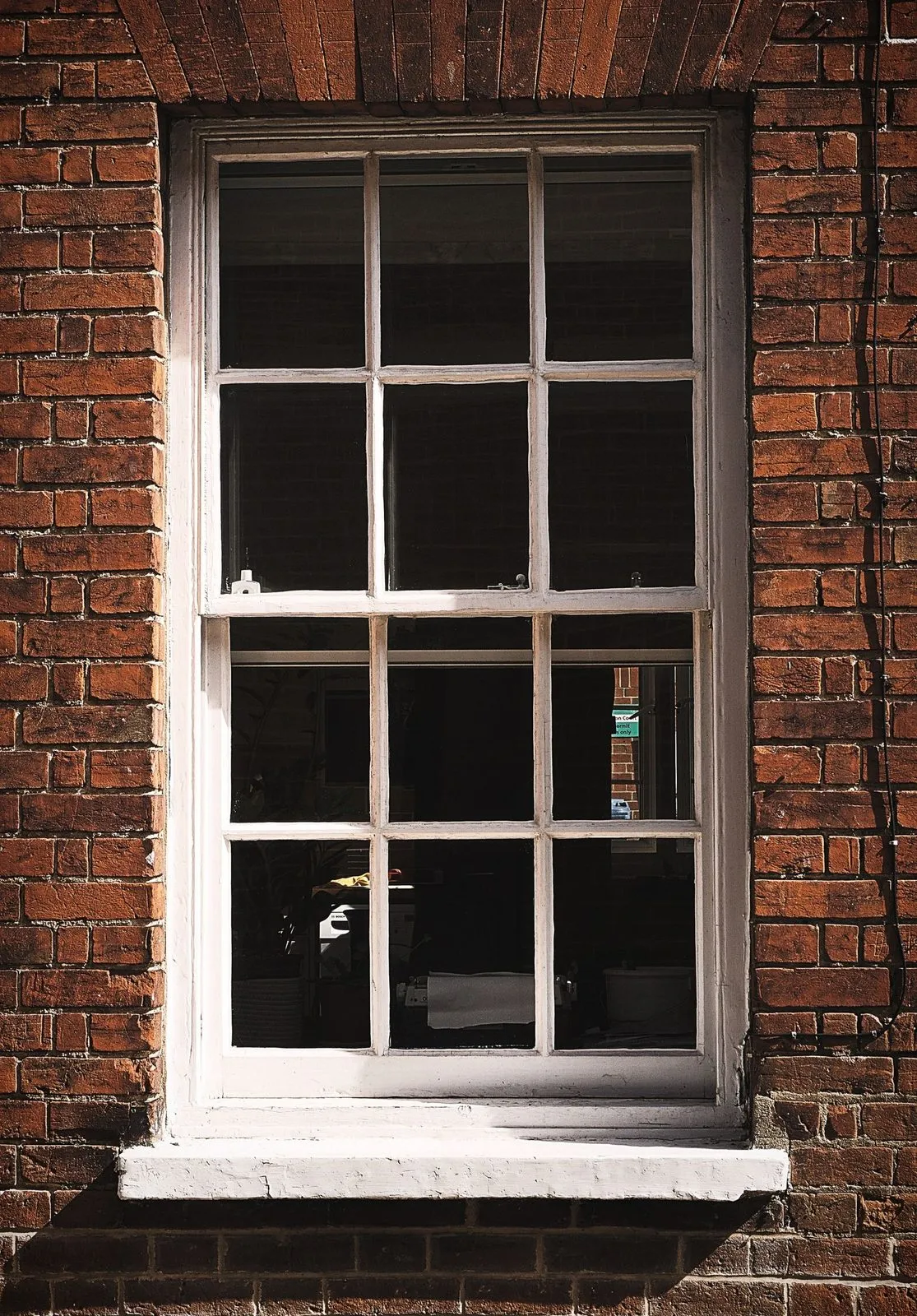
New windows are a big investment, and the frame material shapes the cost, the look and how long they last. This guide compares uPVC, aluminium and timber for London homes in 2026, including which suits period and conservation properties.
How do the three materials compare?
On price alone uPVC wins, but price alone is rarely the deciding factor in London, where large parts of the inner boroughs are designated conservation areas and much of the rest is Victorian or Edwardian. The table below covers what actually decides it.
| uPVC | Aluminium | Timber | |
|---|---|---|---|
| Cost per window, fitted | £350 to £600 | £700 to £1,200+ | £600 to £900 casement |
| Sash window, fitted | £520 to £800 | Rarely made as a true sash | £1,500 to £2,000 |
| Whole house, 8 to 10 casements, windows only | £2,800 to £6,000 | £5,600 to £12,000+ | £4,800 to £9,000; £12,000 to £20,000 in sashes |
| Typical lifespan | 20 to 35 years | 30 to 45 years | 40 to 60 years, longer if maintained |
| Maintenance | Wipe clean. Seals and hinges wear | Wipe clean. Powder coat lasts decades | Repaint every 5 to 8 years |
| Repairable? | No, replace the unit | No, replace the unit | Yes, sections are spliced in |
| Thermal performance | Good. Insulating multi-chamber frame | Needs a thermal break, then good | Good. Wood is naturally insulating |
| Conservation areas and listed | Usually refused | Slim steel-look sometimes accepted | Usually the only option accepted |
| Best for | Budget, modern homes, rear elevations | Large panes and contemporary extensions | Period facades, sashes, listed buildings |
uPVC: cheapest, and where it is a false economy
uPVC is the cheapest and lowest-maintenance choice, and it performs well thermally, which is why it dominates the modern market. On a 1970s semi, a rear elevation or a flat with no conservation constraint, it is the sensible answer.
Its weaknesses are the frame width and the end of life. uPVC sections are bulkier than timber or aluminium, so on a Victorian bay the glass area shrinks and the proportions read as wrong. And when a hinge fails or the frame distorts, you replace the whole window, because uPVC cannot be repaired. Over 60 years that is two or three full replacements against one timber window kept in paint.
Timber: the default in period London
Timber is the right choice for period and conservation-area homes. It gives slim, authentic profiles, takes paint in any colour, and can be repaired indefinitely: a rotten cill or bottom rail is cut out and spliced rather than binned. It is the required one where the building is listed or an Article 4 direction controls the windows.
The trade-off is maintenance. Softwood needs repainting every 5 to 8 years and inspecting for rot at cills and joints. Engineered hardwood and modified timbers such as Accoya cost more up front and stretch that cycle considerably. Specify factory-finished units rather than site-painted ones where you can.
Aluminium: slim sightlines and steel-look
Aluminium gives the slimmest, strongest frames, so it carries large panes that timber and uPVC cannot. That makes it the default for sliding or bifold doors, rooflights and contemporary rear extensions. Modern systems use a polyamide thermal break between the inner and outer frame, without which the frame conducts heat and cold straight through.
It also has a role on period homes. Slim steel-look aluminium in a dark finish mimics original Crittall steel windows and is often accepted by conservation officers on rear elevations and extensions, where a genuine steel replacement would cost far more. Aluminium is also highly recyclable and powder coatings hold their finish for decades.
What are you actually allowed to fit?
Check the property's status before you choose anything, because in much of London the decision is made for you. Three situations to look for:
- Listed building. Listed building consent is needed for any window change, inside or out, and unauthorised work is a criminal offence. Expect to repair originals where possible and to match profiles, glazing bars and glass exactly where not. See our listed building guide.
- Conservation area with an Article 4 direction. The direction removes permitted development for the specified works, so you need full planning permission even to replace like for like. Windows and front elevations are the most common targets in London.
- Conservation area without Article 4. Replacement is often permitted development if the new windows closely match the originals in appearance. Closely matching in practice means timber, the same opening pattern and the same sightlines.
Where slim profiles are required but you still want double glazing, heritage slim-profile sealed units fit into traditional timber sashes and are accepted by many London boroughs. They cost more per unit and perform slightly less well than standard double glazing, but they keep the consent. Replacement windows must also meet the energy standards in Approved Document L, which your installer normally self-certifies through FENSA or Certass. Listed buildings and some conservation-area properties are exempt where compliance would unacceptably alter their character, which is precisely why slim units exist. See our building regulations guide.
The London sash window question
Repair before you replace. Most Victorian and Georgian sashes were made from slow-grown softwood better than anything you can buy today, and a full overhaul with draught-proofing, new cords and secondary glazing costs a fraction of a new double-glazed timber sash at £1,500 to £2,000 per window. Replacing the sashes into sound existing box frames is the middle route, from around £1,250 plus VAT per window, and our sash window cost guide breaks all three down. uPVC sash lookalikes exist at £520 to £800, but the meeting rails and horns rarely convince at close range and most conservation officers refuse them on a front elevation.
Which should you choose?
Choose timber if your home is listed, in a conservation area, or simply has original sash or casement windows worth keeping. Where an Article 4 direction or listing controls the front elevation, it is usually the only material accepted there, and it is the only one you can repair rather than replace.
Choose aluminium if you are glazing a rear extension, want large panes with minimal frame, or want a steel-look finish at a sensible price. Insist on a thermal break.
Choose uPVC if the property is unconstrained, the budget is the binding limit, and the windows are casements rather than sashes. It is the right answer for a lot of London homes, and the wrong one for a Victorian front elevation.
Whatever the frame, the glazing specification drives the energy performance and the effect on your EPC, not the material around it. Window replacement is specialist work, and we do not sell it on its own. As part of a wider home renovation across London, we can coordinate a FENSA or Certass registered installer, handle the making good around the new frames, and tell you honestly when repair beats replacement. For advice, contact us or call 07472 424 226.