Key Takeaways
- uPVC double glazing costs around £350 to £600 per window fitted; timber sash windows run £1,200 to £2,500 (MyJobQuote and Checkatrade, 2026).
- A whole house typically costs £4,000 to £16,000 depending on the number of windows and the frame material.
- Casement is the cheapest style; sash and bay windows cost considerably more.
- Replacement windows must hit a whole-window U-value of 1.4 W/m²K or a WER band B under Part L.
- Insist on a FENSA or CERTASS certificate. Your buyer's solicitor will ask for it.
- Conservation areas usually require timber, not uPVC.
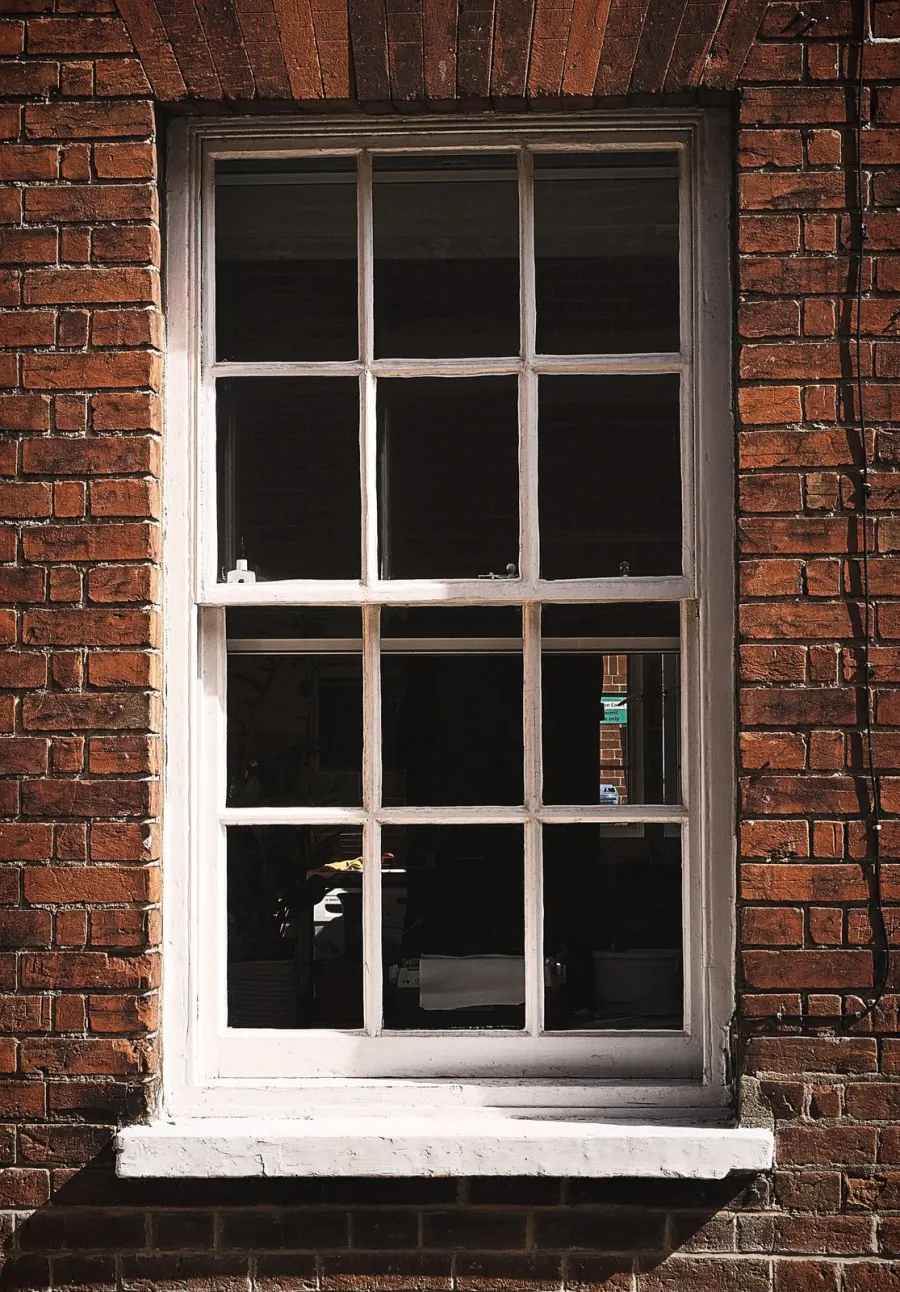
New windows change comfort, noise and energy bills more than almost any other single job, but costs vary widely with material and style. This guide covers what double glazing costs in London in 2026, per window and per house, the certification you must end up holding, and how the conservation rules affect your choice.
How much does double glazing cost in London?
Double glazing in London costs around £350 to £600 per window fitted for uPVC casements, rising to £1,200 to £2,500 or more for timber sash windows, according to MyJobQuote and Checkatrade. Style matters as much as material: a sash unit is typically half as much again as a casement of the same size, and a bay can be two to three times the price. London and the South East sit 15 to 25% above the national labour rates behind these figures.
| Window style | uPVC fitted | Aluminium fitted | Timber fitted |
|---|---|---|---|
| Casement (around 1.2m by 1.2m) | £350 to £600 | £550 to £800 | £800 to £1,500 |
| Tilt and turn | £400 to £700 | £700 to £1,300 | £900 to £1,500 |
| Sliding sash | £600 to £1,100 | £800 to £1,800 | £1,200 to £2,500+ |
| Bay, three to four panel | £1,200 to £2,800 | £1,800 to £3,500+ | £2,000 to £4,500 |
What does a whole house cost?
A full set of uPVC windows for a three-bed London semi costs roughly £4,000 to £6,000, the same house in timber £10,000 to £16,000. The gap is the single biggest budgeting decision you will make on this job, and in much of London the planners decide it for you rather than your wallet.
| Property | Windows | uPVC | Aluminium | Timber |
|---|---|---|---|---|
| One-bed flat | 2 to 3 | £1,200 to £2,000 | £1,800 to £3,000 | £2,500 to £4,000 |
| Two-bed terrace | 4 to 5 | £2,500 to £3,800 | £4,000 to £5,500 | £5,000 to £7,500 |
| Three-bed semi | 6 to 10 | £4,000 to £6,000 | £7,000 to £10,000 | £10,000 to £16,000 |
| Four-bed detached | 9 to 12 | £6,000 to £9,000 | £9,000 to £13,000 | £12,000 to £15,000+ |
A two-fitter team gets through around ten casement windows in two to three days. Sash and bay work is slower, and any elevation needing a scaffold adds a day at each end for the erect and strike.
Frame materials
uPVC is the cheapest and lowest-maintenance choice and suits most post-war homes. Good units last 20 to 35 years, though the sealed glass unit can mist up sooner and is replaceable on its own. Timber is what conservation officers expect on period London houses, gives the slim sightlines the elevation was designed for, and can be repaired and repainted indefinitely if you keep on top of the decoration. Aluminium gives the slimmest frames for large openings and contemporary rear elevations, and pairs naturally with bifold or sliding doors and Crittall-style screens. Our frame material comparison goes through the trade-offs in detail, and the sash window guide covers period homes specifically.
Do replacement windows need Building Regulations?
Yes. Replacing a window in an existing home is notifiable work under the Building Regulations, and the two things that matter are the thermal standard and the paperwork.
Under Approved Document L, a replacement window in an existing dwelling must achieve a whole-window U-value of 1.4 W/m²K or better, or a Window Energy Rating of band B or better. They are alternative routes, so a window meeting either one complies. Any reputable supplier will quote products that pass, but ask for the figure in writing rather than assume it.
For the paperwork you have two options. The normal route is an installer registered with FENSA or CERTASS, the competent person schemes for replacement glazing. They self-certify the work, notify your council and post you a certificate, usually within four to six weeks. The alternative is to submit a building notice to your local authority yourself and pay the fee for an inspection.
Keep the certificate. When you sell, the buyer's solicitor will ask for it, and if it is missing you are into either a retrospective regularisation application or an indemnity policy, both of which cost money and slow a sale down. Note that these schemes cover replacement windows only. Windows in a new extension are signed off with the rest of the works by Building Control, and listed buildings sit outside the scheme entirely.
Conservation areas
This is the key constraint in much of London, and it is a planning question rather than a Building Regulations one. In conservation areas and on listed buildings, the council usually requires timber windows matching the original profiles, with slim double-glazed units, replacement sashes into sound existing boxes, or secondary glazing as the accepted routes. Bulky uPVC on a period front elevation is routinely refused.
Ordinarily, replacing windows on a house is permitted development. Where an Article 4 direction is in force, and large parts of Islington, Camden, Hackney and Kensington are covered, that right is withdrawn and you need planning permission even for like-for-like replacement. Check with the council before you order anything: a set of made-to-measure windows you are not allowed to fit is an expensive mistake.
Secondary glazing is worth considering on a listed building or a noisy road. It is usually acceptable to conservation officers because nothing on the outside changes, and an air gap of 100mm or more outperforms sealed double glazing for noise.
What is commonly left out of a quote?
Window quotes are easy to compare on the headline number and hard to compare on scope. Check for these:
- Making good. Plaster reveals, internal sills and external pointing, roughly £50 to £100 per window if priced separately.
- Scaffolding. £300 to £800 per elevation where windows cannot safely be fitted from inside.
- Waste removal. £200 to £350 for taking the old frames and glass away.
- Trickle vents. Often required, and a common late addition to a quote.
- Supply only versus fitted. Supply-only windows are £150 to £400 each and come with no certification, so you take on the notification yourself.
- Glass specification. Toughened or laminated glass is required in critical locations such as low-level glazing and next to doors, and costs more.
Comfort, value and efficiency
New glazing cuts draughts, noise and heat loss and lifts your EPC rating, all of which support value. It also works best alongside the rest of the fabric: there is limited point spending £12,000 on windows in a house with an uninsulated loft or solid walls, and loft insulation or wall insulation buys more comfort per pound. If noise is the main problem rather than heat, read our soundproofing cost guide first, because glazing is only one part of the answer.
On a period home the important thing is to match the windows sympathetically. Bulky frames on a Victorian facade can reduce value even when they perform well. GS Renovation fits and replaces windows as part of home renovations across London. For advice and a free quote, contact us or call 07472 424 226.