Key Takeaways
- Double-glazed timber sash windows cost £1,500 to £2,000 per window in London (GreenMatch and London sash specialists, 2026).
- A full-house replacement runs £4,000 to £12,000+ depending on number and material.
- Replacing sashes into existing box frames starts from around £1,250 + VAT per window.
- In conservation areas, timber sash style is usually required, not uPVC. Under an Article 4 direction you need planning permission even for a like-for-like swap.
- On a listed building, replacing windows needs listed building consent, and doing it without is a criminal offence.
- Repair and draught-proofing is often cheaper and more conservation-friendly, and secondary glazing at around £345 per window is accepted almost everywhere.
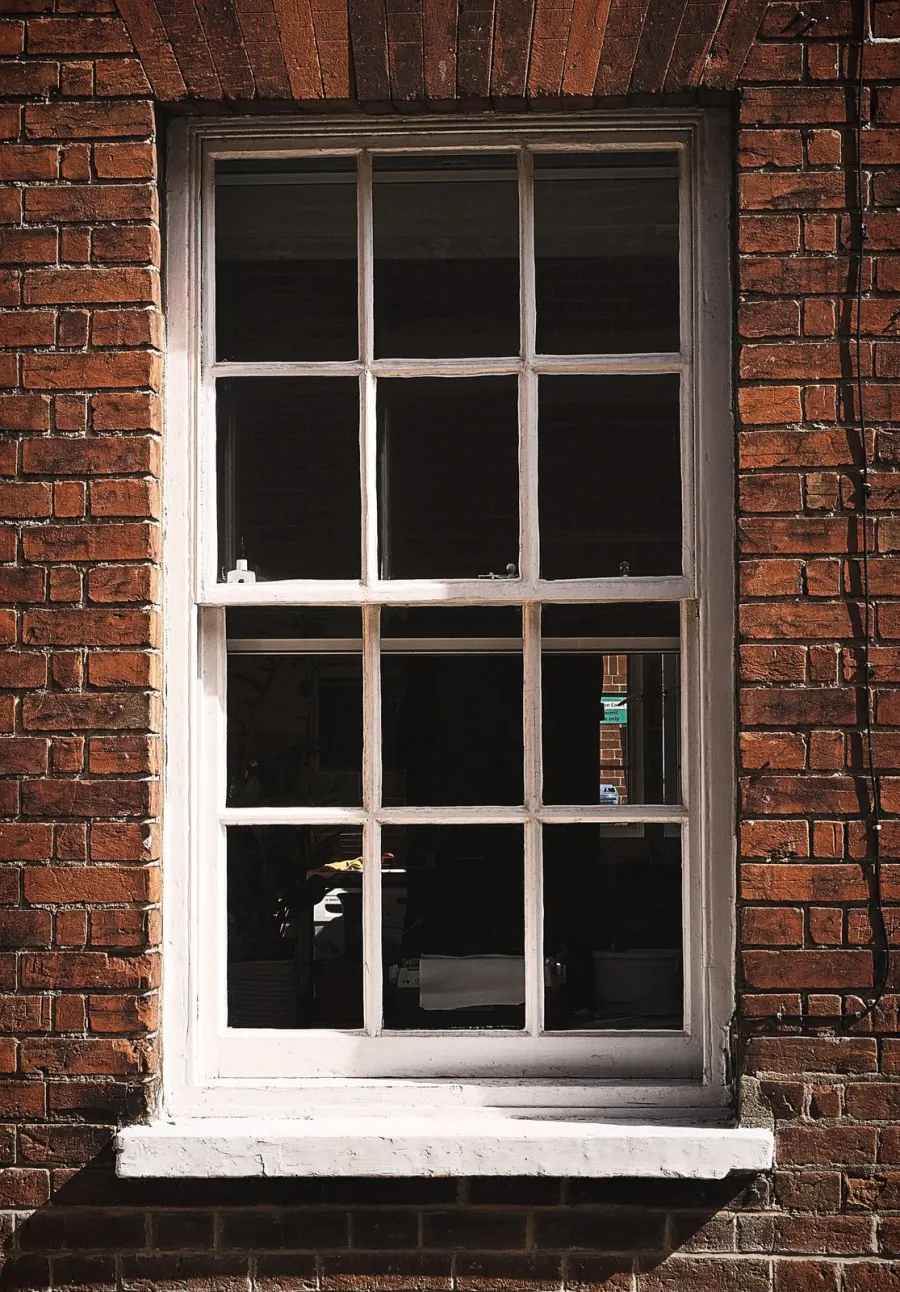
Sash windows are one of the defining features of London's period homes, and keeping them right is essential to both comfort and character. This guide covers what sash windows cost in London in 2026, when to repair rather than replace, and how the conservation rules decide your options before your budget does.
How much do sash windows cost in London?
Double-glazed timber sash windows cost around £1,500 to £2,000 per window in London, according to GreenMatch and London sash specialists. Replacement sashes fitted into existing, sound box frames are more economical, starting from around £1,250 + VAT per window. A full-house replacement typically runs £4,000 to £12,000 or more, depending on the number of windows and the material.
Sash windows are priced per window, and the number that drives everything is whether the box frame is being kept. Reusing a sound frame removes the most disruptive and expensive part of the job.
| Option | Typical London cost, per window | What it involves |
|---|---|---|
| Draught-proofing an existing sash | £200 to £450 | Brush seals in routed grooves, cords and weights overhauled |
| Secondary glazing | £250 to £600, around £345 average | Independent internal frame, original window untouched |
| Sash repair, splice and rot treatment | £300 to £900 | Resin or timber splice repairs to cills and stiles |
| Replacement sashes into existing box frames | from £1,250 + VAT | New double-glazed sashes, original frame retained |
| New double-glazed timber sash, complete | £1,500 to £2,000 | Frame and sashes, plus making good internally |
| uPVC sash, where permitted | £520 to £800 | Not accepted in most conservation areas |
| Full-house replacement, 6 to 10 windows | £4,000 to £12,000+ | 2 to 3 weeks on a typical terrace |
Repair or replace?
Repair first, almost always. Georgian and Victorian sashes were made from slow-grown, dense heartwood that outlasts most modern joinery, and a frame that looks beyond saving is often sound behind two centuries of paint. Where the box frames are sound, overhauling the sashes, replacing cords and weights and fitting brush draught seals is usually a fraction of replacement cost, preserves the original glass and character, and is often the only conservation-friendly option.
Full replacement earns its place where the frames are rotten beyond repair, where earlier owners have already fitted unsympathetic replacements you are putting right, or where you want the thermal performance of new double-glazed units throughout. The honest test is the condition of the cill, the pulley stiles and the bottom rails: rot concentrated in those and nowhere else is a repair job.
Watch for a specialist who prices only for full replacement. Ask for a written condition assessment window by window, because on a six-window terrace it is common for two to need replacing and four to need nothing more than an overhaul.
Conservation areas, Article 4 and listed buildings
This is the constraint that decides the job, and it applies to a great deal of London's period stock. There are three separate regimes and they stack.
- Conservation areas. Every London borough has them, and in some inner boroughs they cover most of the Victorian and Georgian stock. Replacing windows on a house in a conservation area is often still permitted development, but the council will expect any replacement to match the original in material, profile, sightline, glazing bar pattern and method of opening. Bulky uPVC on a principal elevation is refused as a matter of course.
- Article 4 directions. Many London boroughs have withdrawn permitted development rights for windows and doors on specific streets or whole areas. Where one applies, you need planning permission for a like-for-like window replacement, and there is no fee for an application made necessary solely by an Article 4 direction. Check the borough's local plan and the property's planning history before ordering anything. Our Article 4 guide explains how to find out.
- Listed buildings. Windows are almost always part of what is listed. Replacing them needs listed building consent in addition to any planning permission, and carrying out works without it is a criminal offence rather than a planning breach. Conservation officers here will normally accept repair, slim double glazing in some cases, and secondary glazing, but rarely wholesale replacement.
The practical routes that get approved are repair and draught-proofing, replacement sashes into retained box frames, slim-profile double glazed units of around 11 to 14mm in a traditional putty-line detail, and secondary glazing. Secondary glazing is accepted in listed buildings and conservation areas because it makes no change to the external facade. See our guides to renovating in a conservation area and listed building renovation.
Timber vs uPVC
Timber offers the authentic look, slim profiles and repairability that period homes need, and can be repainted and maintained for decades. Accoya and engineered hardwood cost more up front but resist rot far better than the fast-grown softwood used in the 1980s. uPVC is cheaper and low-maintenance but its heavier frames and modern appearance are usually unsuitable for period and conservation properties, and a uPVC sash cannot be repaired, only replaced. For most London period homes, timber is both the required and the right choice. Our window materials comparison works through the trade-offs, and the double glazing cost guide covers non-sash windows.
Energy efficiency
Draughts, not glass, are where most of the heat goes. Original single-glazed sashes lose a large share of their heat through gaps around the sashes and at the meeting rail, which is why draught-proofing at £200 to £450 a window usually delivers more comfort per pound than new glazing does.
Beyond that, slim double-glazed sashes, secondary glazing and heavy interlined curtains all help, and secondary glazing has the additional benefit of cutting traffic noise substantially, which matters on a London main road. Replacement windows must meet a minimum thermal standard under Part L when they are fitted, and the installer should either be registered with a competent person scheme such as FENSA or the work should be notified to Building Control. Keep the certificate: a buyer's solicitor will ask for it.
What is commonly left out of a quote?
Sash window quotes hide their extras in the making good rather than the joinery.
- Internal making good. Removing a box frame damages plaster, architrave and often the shutter box. Replastering, new architrave and redecoration are frequently excluded.
- External making good. Repointing and mastic around the new frame, and repairing the render or brickwork reveal.
- Cills and sub-cills, which are often rotten when the frame is not.
- Ironmongery. Fitch fasteners, sash lifts, restrictors and pulleys in a matching finish.
- Finishing. Whether the windows arrive factory-finished or need painting on site, and how many coats.
- Planning and consent fees, and the drawings a conservation officer will want.
- Scaffolding or access for upper floors, and disposal of the old frames.
Allow two to three weeks on site for a full terrace, and note that lead time on made-to-measure timber sashes is commonly eight to twelve weeks from survey. Order before the conservation consent, and you may be paying for windows you cannot fit.
GS Renovation restores and replaces sash windows sympathetically as part of period property renovations across London. For advice on the right approach for your home, contact us or call 07472 424 226. See also renovating a period property and renovating a Victorian terrace.