Key Takeaways
- Replacement typically costs £1,300 to £2,717, averaging about £1,876 for a three bedroom semi.
- The signature is horizontal cracking at regular heights, roughly every six courses, often with the outer leaf bulging.
- Original galvanised ties begin to corrode after about 15 to 20 years, so interwar and post-war cavity walls are the usual candidates.
- A wall tie survey costs £250 to £450 and uses a borescope. It is worth doing before any cavity insulation decision.
- Solid walled Victorian terraces have no cavity and no ties, so this is not their problem.
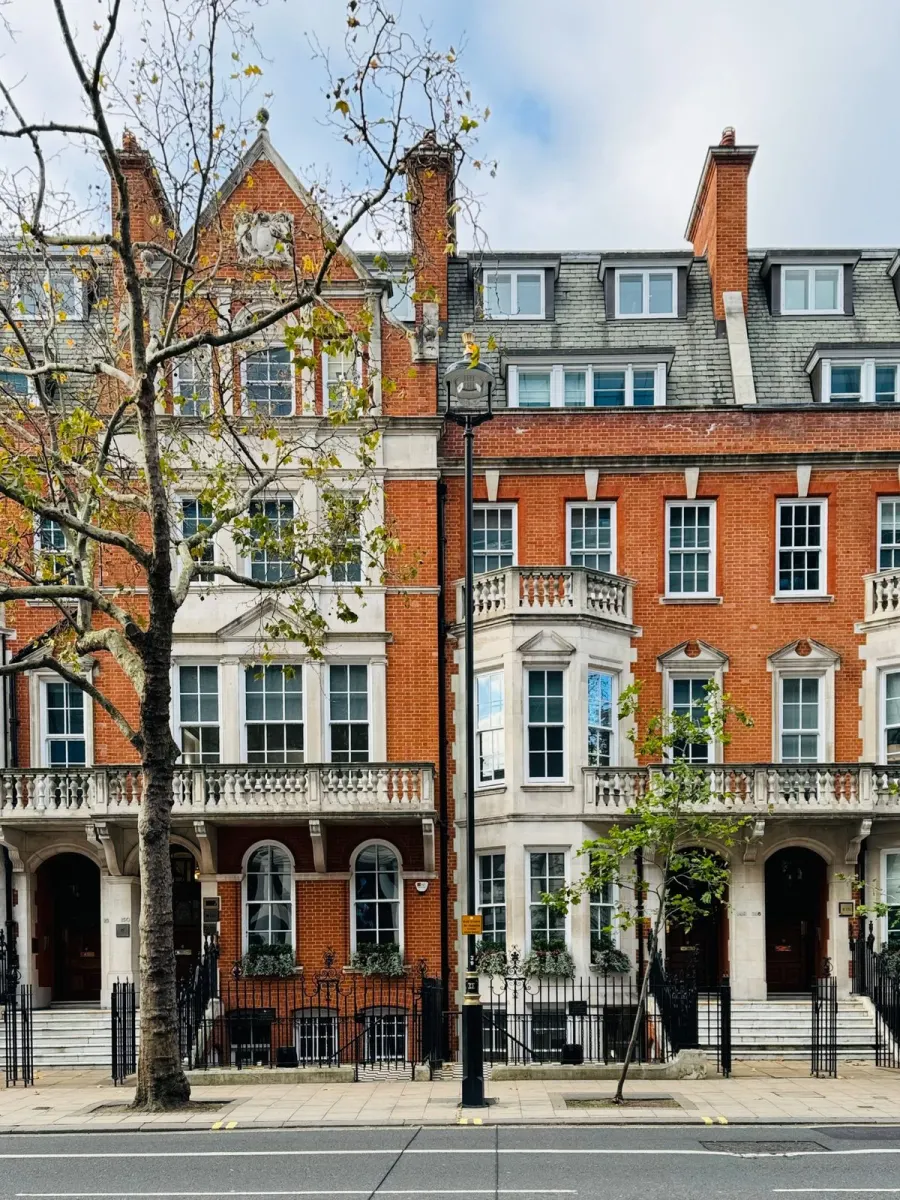
Wall ties are the small metal straps that hold the two leaves of a cavity wall together. When they corrode they expand, and because they sit in the mortar joints they lift the brickwork in a pattern that is unusually easy to read once you know it.
What are the signs of wall tie failure?
Horizontal cracks in the mortar joints, appearing at regular intervals up the elevation rather than randomly. Ties are normally built in every six courses or so, which is why the cracking arrives in stripes. Alongside that you may see the outer leaf bulging outward, cracking concentrated at the corners of the building, and on an exposed elevation, brickwork that looks slightly barrelled when you sight along it.
The mechanism is unglamorous. A galvanised steel tie loses its zinc coating, the steel behind it rusts, and rust occupies more volume than the metal it came from. That expansion happens inside a mortar joint with nowhere to go, so it jacks the courses apart a fraction of a millimetre at a time.
The horizontal, regular, repeating pattern is what separates this from almost everything else. Tapered cracks that widen towards the top and continue to ground level suggest movement rather than ties, and our subsidence guide covers that. A single diagonal from the corner of a window is more likely a lintel, covered in our lintel replacement guide.
Which houses are affected?
Cavity walled houses, which in practice means most homes built from roughly the 1920s onward. The outer and inner leaves are separate, and the ties are the only thing holding them together, so their condition matters in a way it never does in a solid wall.
Original galvanised ties are commonly reported to start failing after about 15 to 20 years, which means any house built before the mid 1980s is inside the window by a wide margin. Exposed elevations go first, because they get the most driving rain. In London the interwar semis of the outer boroughs are the classic case, which is also the stock our period property guide touches on.
A solid nine inch Victorian terrace wall has no cavity and no ties at all. If you live in one, this is not your problem, and anyone quoting you for wall tie replacement on a solid wall has not looked properly.
What does wall tie replacement cost?
Expect £1,300 to £2,717 for a typical three bedroom semi, with an average around £1,876. Priced another way it is roughly £40 per square metre, or £5 to £8 per individual tie.
| Item | What it covers | Typical cost |
|---|---|---|
| Wall tie survey | Borescope inspection, varies with property size | £250 to £450 |
| Full replacement, 3 bed semi | Remedial ties installed across affected elevations | £1,300 to £2,717 |
| Average replacement cost | Typical outcome for that property type | about £1,876 |
| Priced by area | Rate per square metre of elevation | about £40 per m² |
| Priced per tie | Individual remedial tie, supplied and fixed | £5 to £8 |
The survey is money well spent rather than an upsell. It tells you whether the ties have actually failed, how many elevations are affected, and whether the existing ties need isolating as well as replacing. Paying for a survey from someone who is not also quoting for the work is the cleanest way to find out.
How are wall ties replaced?
From the outside, without taking the wall down. Remedial ties are mechanical or resin fixed through the outer leaf, across the cavity, and into the inner leaf, on a grid the engineer or specialist sets out.
- A borescope survey confirms the tie type, spacing and condition, and how far the corrosion has gone
- The replacement pattern is set out, typically two and a half to five ties per square metre with extra at openings and corners
- Holes are drilled through the outer leaf, the new ties are installed and tested, and the holes are made good to match the pointing
- The old ties are isolated where they are still expanding, so the jacking stops rather than continuing behind the repair
- Where the outer leaf has been pushed too far out of plumb, sections are rebuilt rather than tied back
- Cracked joints are raked out and repointed once the ties are in
Most semis are a few days of work with no internal disruption at all, which surprises people expecting something more invasive. The exception is where bulging has gone far enough that brickwork must come down and be rebuilt, which is a different job with a different price.
Should you insulate a cavity with failing ties?
No, and this is the single most useful thing on this page. Filling a cavity whose ties are corroding does two unhelpful things at once. It buries the evidence, so nobody can inspect the ties without disturbing the fill, and where mortar droppings already bridge the cavity it gives moisture a continuous path to the inner leaf.
Check the ties first, then decide about insulation. That order costs a few hundred pounds and can save the price of extracting fill from a wall later. It is the same sequencing argument that applies to diagnosing damp, where treating the symptom before finding the cause is the usual expensive mistake.