Key Takeaways
- Subsidence repairs cost £5,000 to £15,000 in most cases, and the average settled insurance claim reached £17,820 in early 2026, the highest the ABI has recorded (Checkatrade / ABI, 2026).
- Underpinning a small house runs £10,000 to £25,000, and London and the South East typically sit 30% to 50% above national figures.
- Clay shrinkage is the dominant London cause. Camden, Islington and Barnet are among the most susceptible boroughs (British Geological Survey).
- Subsidence is normally covered by buildings insurance, with an excess of around £1,000 and sometimes £2,500 to £5,000.
- Most cracks are not subsidence. The concerning ones are diagonal, wider than 5mm, visible inside and out, and getting worse.
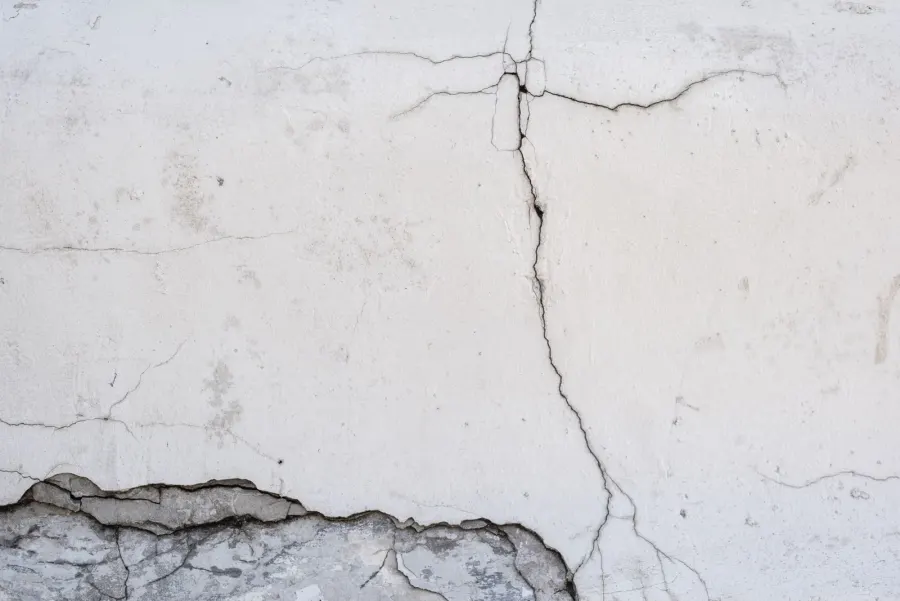
Subsidence sounds like the end of a house. In practice it is a well understood, insurable and repairable problem, and most homeowners who suspect it turn out not to have it. What matters is recognising the real signs, getting the cause diagnosed rather than guessed, and letting your insurer run the process.
How much does subsidence cost to fix?
Subsidence repairs cost £5,000 to £15,000 in most cases, but the figure that matters more is the settled claim: the Association of British Insurers recorded an average of £17,820 in the first quarter of 2026, up 9% year on year and the highest it has published. Insurers paid £307 million on subsidence in 2025 after the hottest summer on record.
| Item | Typical cost | Notes |
|---|---|---|
| Structural engineer inspection and report | £500 to £1,200 | London fees run 20% to 30% higher |
| Resin injection, three-bed terrace | around £11,000 | Suits some soils only |
| Mass concrete underpinning, three-bed terrace | around £13,000 | The traditional method |
| Piled underpinning | around £23,000 | Deep or difficult ground |
| Underpinning, small house overall | £10,000 to £25,000 | More for larger or complex buildings |
| Average settled insurance claim, Q1 2026 | £17,820 | Includes investigation and reinstatement |
Underpinning is the expensive answer and not always the right one. Where the cause is a tree or a leaking drain, removing the cause, letting the ground recover and then repairing the cracking costs a fraction of underpinning, and is what a good engineer recommends first.
Why is subsidence so common in London?
Because most of London sits on shrinkable clay. London Clay swells when wet and shrinks when dry, so ground under a shallow Victorian footing moves seasonally, and in a hot dry summer it can move enough to take a corner of the building with it. The British Geological Survey ranks northern and central boroughs including Camden, Islington and Barnet among the most susceptible in the country. Three causes account for most London claims:
- Clay shrinkage, usually with a tree involved. High water demand species such as oak, willow and poplar draw large volumes from clay. NHBC guidance treats mature high-demand trees within roughly their mature height of a shallow foundation as a design issue for this reason.
- Leaking drains and water mains. Escaping water washes fines out from under a footing. Common in Victorian terraces with original clay drainage, and often the cheapest cause to cure.
- Made ground and old fill. Bomb damage sites, filled ponds and back-filled basements compress unevenly under load.
Two things are often confused with subsidence: settlement, where a new or altered building beds down in its first couple of years, and heave, where clay swells upward, typically after a large tree is removed. Heave cracks are wider at the bottom than the top and the remedy is completely different, which is why guessing is expensive.
What are the signs of subsidence?
The classic pattern is a diagonal, stepped crack through the mortar joints around a window or door opening, wider at the top than the bottom, visible on both faces of the same wall, and getting worse over weeks rather than years. Doors and windows bind as openings go out of square.
What is not a sign: hairline cracking in plaster, cracks along a plasterboard joint, and cracks that open each winter and close each summer. Cracks up to about 5mm are generally in the range BRE guidance treats as aesthetic rather than structural. If a crack is new, diagonal, over 5mm and growing, photograph it against a ruler with the date visible and repeat monthly. That record is the most useful thing you can hand an engineer or loss adjuster.
What happens when you claim?
Your insurer runs it, not you, and it is deliberately slow because the ground has seasons.
- Photograph and date the cracking, inside and out.
- Call your buildings insurer. Do not commission underpinning yourself, as unauthorised work can prejudice the claim.
- A loss adjuster attends and appoints a structural engineer.
- Investigation: trial pits, soil sampling, root identification and a CCTV drain survey.
- Monitoring for six to twelve months with level and crack gauges, to see whether movement is active and seasonal.
- The cause is confirmed and a remedy chosen, which may be tree management or drain repair rather than underpinning.
- Works are carried out, then a further monitoring period before final repairs.
- Cracks are cut out, stitched or repointed, plastered and decorated, and the file closed with documentation you keep for resale.
Twelve to eighteen months from first report to closed file is normal. Pressing for underpinning in month two is the commonest route to the wrong repair.
What will insurance cover, and what will it not?
Buildings insurance normally covers subsidence, and the boundaries are consistent across most policies. Check your own wording, because detail varies.
| Usually covered | Usually excluded or limited |
|---|---|
| Investigation, monitoring and engineer fees | The excess, typically £1,000 and sometimes £2,500 to £5,000 |
| Stabilisation the engineer justifies | Garden walls, fences, drives, paths and patios unless the house is damaged too |
| Repair, plastering and redecoration | Damage known about before the policy started |
| Alternative accommodation if the house is unfit | Settlement of new or recently extended structures |
A recorded subsidence history stays with the property. It does not make a house unsellable, but it narrows the pool of insurers, so keep the engineer's report, schedule of works and post-works monitoring together for the sale.
When do you need consent?
Subsidence work triggers permissions homeowners are often unaware of:
- Party wall notice. Underpinning a party wall, or excavating close to a neighbour's foundation, is notifiable under the Party Wall etc. Act 1996. See our guide to the Party Wall Act and to neighbours and building work.
- Tree consent. Felling or heavily pruning a tree under a tree preservation order, or a sizeable tree in a conservation area, needs council consent. Removing the wrong tree can trigger heave.
- Building control. Underpinning is structural work and needs a building regulations application.
- Drainage. Repairs to a public sewer under or near the house may need a Thames Water build over agreement.
What to do next
Record the cracking, call your insurer, and resist the urge to fill and paint over a crack you are worried about, because that destroys the evidence and hides the movement. GS Renovation carries out structural repairs and reinstatement alongside engineers and loss adjusters across London. For advice, contact us or call 07472 424 226.