Key Takeaways
- Most damp in London homes is condensation, not rising damp. In the national stock, severe condensation affects 3% of dwellings against 2% penetrating and 1% rising (English Housing Survey 2024 to 2025).
- The three types look similar and need completely different fixes. Treating the wrong one is the standard expensive mistake.
- A chemical damp proof course costs £70 to £120 per linear metre, and £150 to £250 once replastering is included. It is sold far more often than it is needed (MyBuilder and Checkatrade, 2026).
- An independent damp survey is £200 to £300, more on a complex London terrace. Pay someone who does not sell the treatment (MyBuilder and Checkatrade, 2026).
- Mould germinates above about 60% relative humidity, so ventilation and heating usually fix it, not chemicals.
- Solid-walled period homes need breathable repairs. Sealing moisture in with cement and vinyl paint makes it worse.
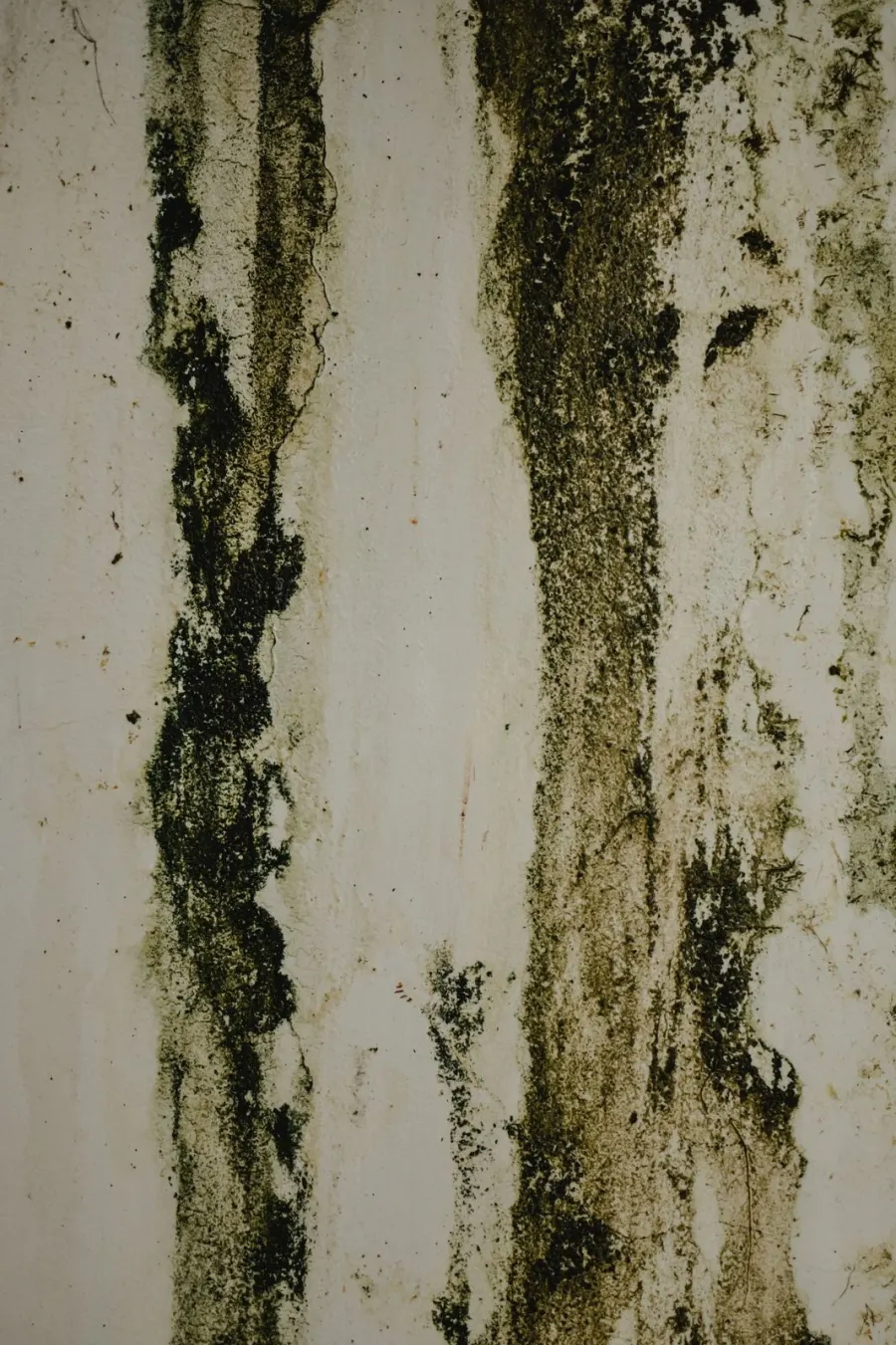
Damp is one of the most common and most misdiagnosed problems in London homes. Spend on the wrong fix and the problem returns. Here is how to tell the three types apart and treat each correctly.
What are the three types of damp?
Condensation, penetrating and rising damp. They can produce similar-looking patches and mould, but they come from three different places, and only one of them has anything to do with a damp proof course.
| Type | Cause | How it shows | Correct fix |
|---|---|---|---|
| Condensation | Moist indoor air meeting cold surfaces in a home with too little ventilation | Black spot mould in corners, behind furniture and around windows. Worse in winter and in the mornings | Ventilation, heating and insulating the cold spots. No chemical treatment involved |
| Penetrating damp | A defect letting water in: failed pointing, cracked render, a slipped slate, a blocked gutter, a leaking waste pipe | A defined patch that darkens after rain and dries between. Often at storey height, not at the base of the wall | Repair the defect, then let the wall dry before making good |
| Rising damp | Groundwater drawn up through masonry where the damp proof course is absent, bridged or failed | A tide mark up to about a metre from floor level, with salt bloom, consistent all year | Usually remove the bridge: lower the ground level, clear the airbricks, hack off cement render. A new course only if one is genuinely absent |
Why is condensation the one people get wrong?
Because it produces damp walls without any water coming in from outside, so it looks like a building fault when it is a moisture balance problem. The national figures show the scale: 1.4 million dwellings, 5% of the stock, had a damp problem in 2024, the most common form being severe condensation at 3%, ahead of penetrating damp at 2% and rising damp at 1%. Separately, 7.7 million households, 31%, reported condensation, damp or mould at home.
A four-person household puts several litres of water into the air every day through breathing, cooking, showering and drying clothes. In a Victorian house that has been draught-proofed, double glazed and had its airbricks blocked, that moisture has nowhere to go. It condenses on the coldest surface in the room, usually a solid external wall behind a wardrobe or in the corner of a north-facing bedroom. Mould germinates above roughly 60% relative humidity, so a cheap hygrometer left in the worst room for a week tells you more than most free damp surveys.
Sources: English Housing Survey 2024 to 2025 headline findings on housing quality, gov.uk; US EPA guidance on relative humidity and mould growth.How do you diagnose damp properly?
By finding the water source, not by taking a meter reading. The biggest mistake is treating before diagnosing, and the second is trusting the tool. A protimeter is a conductivity meter designed for timber. On masonry and plaster it responds to hygroscopic salts, foil-backed plasterboard and even some paints, so it reads high on a wall that is chemically dry. That reading is what most free damp surveys are built on.
A proper diagnosis walks the outside first: ground levels against the internal floor, pointing, gutters and downpipes, render cracks, the roof line, and whether anything is covering the airbricks. Inside, it looks at the pattern and height of the staining, whether it changes with the weather, and what the humidity actually is. Where it matters, a calcium carbide test on a drilled sample gives a true moisture content rather than a surface reading. Budget £200 to £300 for an independent survey, and use a surveyor who does not also sell the treatment.
Sources: MyBuilder and Checkatrade damp survey cost guides, 2026.Do you actually need an injected damp proof course?
Usually not. Injected chemical damp proof courses are one of the most oversold products in the trade, because the survey is free, the guarantee sounds reassuring and the diagnosis is made by the company that profits from the treatment. Genuine rising damp is the rarest of the three types, and most walls that look like they have it are bridged instead: a patio laid above the internal floor level, cement render carried down past the damp proof course, a flowerbed against the wall, blocked airbricks. Removing the bridge costs a fraction of the treatment and fixes the cause.
It is also worth knowing what the treatment involves. Injection is normally paired with hacking plaster off to a metre and replacing it with dense sand and cement render containing a waterproofer. On a solid wall that render does not stop moisture, it relocates it, pushing it higher up the wall or into the next room, and the guarantee then covers the plaster rather than the wall. There are real cases for an injected course, mainly a wall with no original damp proof course and a confirmed moisture profile at the base, but insist on that being demonstrated first.
The right fixes, and what they cost
Fix the cause, then make good, and never the other way round.
| Work | Typical UK cost | When it is the right answer |
|---|---|---|
| Independent damp survey | £200 to £300 | Always, before spending anything else |
| Bathroom or kitchen extractor fan | £80 to £350 fitted | Condensation. The cheapest fix there is |
| Positive input ventilation unit | £400 to £1,200 fitted | Whole-house condensation and mould where trickle ventilation is not enough |
| Clearing airbricks, lowering ground levels | Varies by access, often part of other works | Musty suspended floors, or paving above the internal floor level |
| Repointing and gutter repairs | Varies by access and area | Penetrating damp with a defined external defect |
| Chemical damp proof course | £70 to £120 per linear metre, £150 to £250 with replastering | Confirmed rising damp only, with no bridge and no original course |
| Whole-house damp proofing and replastering | £1,500 to £4,000 | Rare. Treat this quote as a prompt for a second opinion |
Why period homes need breathability, not sealing
Because a solid wall has no cavity and no barrier, so its only defence against moisture is the ability to dry out, and every modern product that seals the surface removes that. Cement pointing pushes moisture out through the brick face until it spalls in frost. Cement render cracks, lets water behind and holds it there. Gypsum plaster on a wall still carrying moisture blows off and brings salts with it. Vinyl emulsion closes the last route out. On a period house the fix is almost always subtractive: take the cement off, clear the airbricks, drop the ground level, repoint and replaster in lime, then ventilate and heat the place properly.
We diagnose damp and treat the cause as part of a renovation. For advice, contact us or call 07472 424 226, or see our home renovation service in London. See also renovating a Victorian terrace, renovating a period property and our replastering cost guide.