Key Takeaways
- Skimming a room costs roughly £400 to £900 in London; a full replaster costs more where old plaster is removed first.
- Plastering a single wall typically costs £250 to £500; a ceiling £300 to £600.
- Per m², expect roughly £15 to £25 in London for a skim, falling as the room gets bigger because setting up is a fixed cost.
- Skimming refreshes sound walls; full replastering is needed where plaster is blown, cracked or damp-damaged.
- Period London homes often need lime plaster, not gypsum. Gypsum on a solid wall traps moisture and blows again within a few years.
- Plastering follows first-fix and precedes decorating. Allow 4 to 6 days of drying, longer on a full replaster, before any paint.
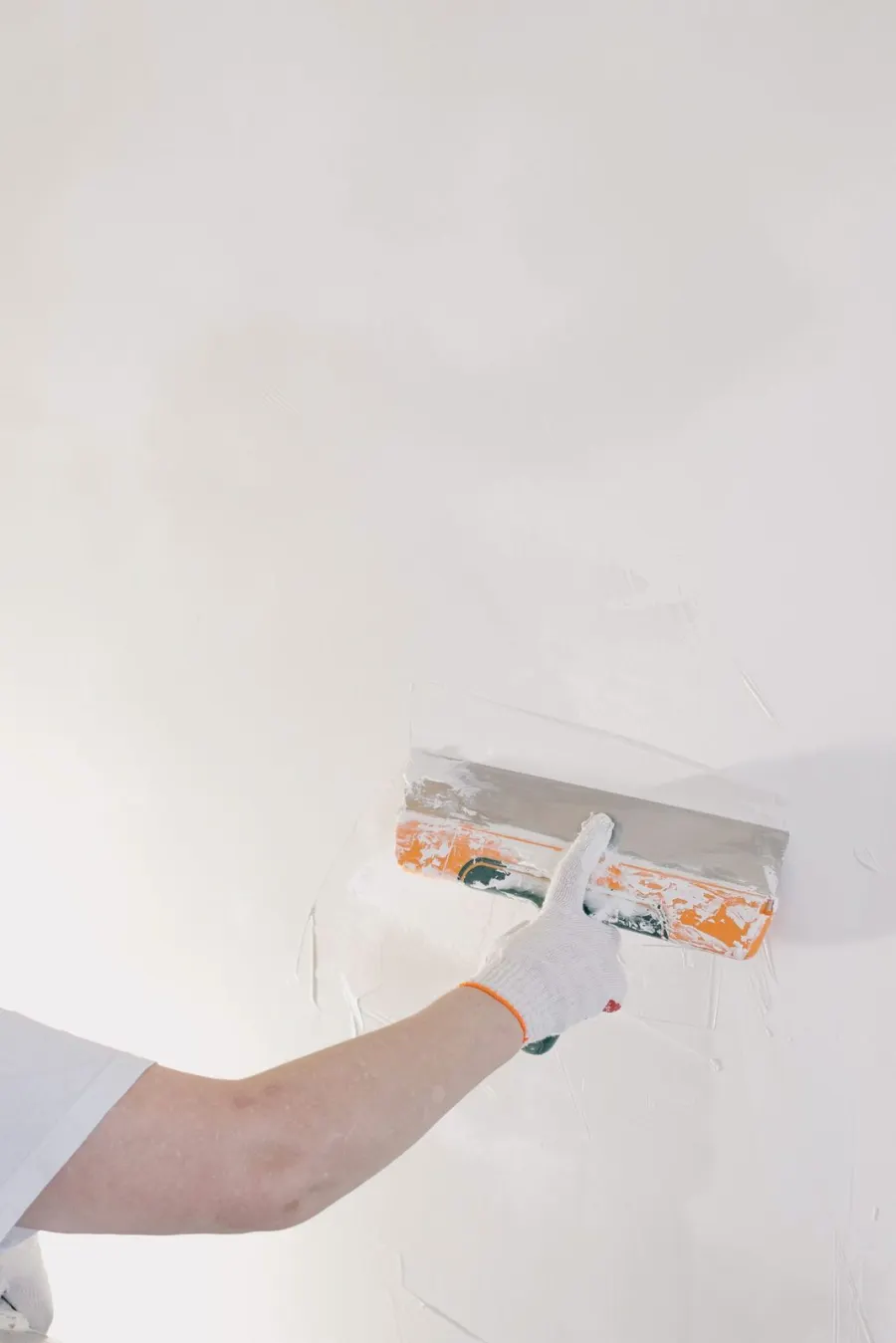
Smooth, sound plaster is the foundation of a good finish, and it is one of the most common tasks in any renovation. Here is what replastering costs in London in 2026, when you need it, and why the wrong plaster on an old wall fails twice.
How much does replastering cost in London?
Skimming a standard room in London typically costs £400 to £900, while a full replaster, where old plaster is hacked off first, runs £800 to £1,800 because of the extra labour, the waste and the extra coats. London labour sits above the national average, so room size, ceiling height and access are the main cost drivers.
| Job | Typical London cost | Time on site |
|---|---|---|
| Small patch repair | £70 to £150 | 1 to 3 hours |
| Skim one wall | £250 to £500 | 3 to 4 hours |
| Skim a ceiling | £300 to £600 | half a day to a day |
| Skim a full room | £400 to £900 | 2 to 3 days |
| Full replaster, small room | £800 to £1,300 | 2 to 3 days |
| Full replaster, large room | £1,200 to £1,800 | 3 to 4 days |
| Plasterer day rate | £180 to £280 | per day, London |
| Skip hire and waste removal | £140 to £300 | on a hack-off job |
Priced per m², a standard single wall works out at roughly £15 to £20 per m² and a whole room at £11 to £18 per m², because setting up, mixing and protecting the room is a fixed cost spread over more area. That is why plastering four walls at once always beats plastering one wall four times, and why a plasterer will often quote a day rate rather than a measured rate on a small job.
Skimming vs full replastering
Skimming applies a 2 to 3mm finish coat over existing sound plaster or new plasterboard, giving a smooth surface ready to paint. Full replastering removes failed plaster back to the masonry and rebuilds it in coats, which is needed where the plaster is blown, badly cracked, or damaged by damp.
The test is simple and you can do it yourself. Tap the wall with your knuckles: solid, dull sound means the plaster is still bonded and can be skimmed; a hollow, drummy sound means it has parted from the brick and skimming over it will crack within a year. Do that across the whole wall, not in one spot, because blown plaster is usually patchy. Hairline crazing is cosmetic; cracks that reappear in the same place after filling are movement, and our guide to cracks in walls covers when that matters.
There is a third option worth pricing. Dot and dab plasterboard over the existing wall, then skim, is sometimes cheaper and quicker than hacking off and rebuilding in wet coats, and it gives a dead flat finish. It costs you around 30mm of room dimension each side, buries sockets and radiator pipes, and is a bad idea on a solid wall with any damp history.
Why lime plaster matters in a period house
Solid-wall London houses built before roughly 1919 were plastered in lime, and they need to stay that way. A solid brick wall has no cavity and no damp proof membrane; it manages moisture by absorbing it and letting it evaporate back out. Lime plaster is vapour permeable and lets that happen. Modern gypsum plaster and cement render are not: they trap moisture behind an impermeable skin, which then pushes the plaster off the wall and shows up as a damp patch that no amount of redecorating fixes.
Lime work costs more, typically 30 to 60% above a gypsum equivalent, because it is applied in more coats with haired backing coats and needs weeks rather than days between them. It is still cheaper than doing gypsum twice. If you are getting recurring damp on a ground-floor solid wall, read our guides on damp causes and fixes and condensation versus damp before you replaster, because plastering over an unresolved cause simply resets the clock.
What drives the price up or down?
- Condition. A sound wall that needs a skim is a fraction of a wall that needs hacking off, rebuilding and waste removing.
- Ceiling height. Tall Victorian reception rooms need hop-ups or a tower and slow the work down.
- Ceilings versus walls. Ceilings are harder and slower than walls and priced accordingly, and lath and plaster ceilings that are sagging usually want overboarding rather than patching.
- Period detail. Cornice, ceiling roses and picture rails all have to be cut around or reinstated, which is specialist work.
- Access. A third-floor flat with no lift, a permit bay for the van and carrying bagged plaster and waste up stairs all add to a London price.
- Volume. A whole house priced together is significantly cheaper per room than rooms booked one at a time.
What is commonly left out of a quote?
- Protection and clearing. Sheeting floors, masking, moving furniture and cleaning up afterwards. Plastering is a wet, messy trade.
- Waste removal, which on a hack-off job is a real cost at £140 to £300 for a skip, plus a permit if it goes on the road.
- Making good around sockets, switches and radiators, and taking radiators off the wall and refitting them.
- Beading and angles, new corner bead, stop bead and reveals to windows and doors.
- The mist coat. Fresh plaster needs a thinned first coat before any topcoat, and that is usually the decorator's job, not the plasterer's.
- Repairs behind the plaster, such as replacing rotten lath, packing out a bowed wall, or resolving the damp cause.
Where it fits in a renovation
Plastering follows first-fix plumbing and electrics, once walls have been chased for cables and pipes, and precedes decorating. In period London homes, plaster is often disturbed during these works or already blown, so skimming or replastering is a standard step in the order of works, and it is far cheaper done alongside a rewire than after one.
Fresh skim needs 4 to 6 days to dry before painting, and a full replaster in wet coats needs longer, up to a week per coat in a cold room. It goes from dark brown to a uniform pale pink when it is ready. Painting too soon traps moisture, and the result flashes and peels, so the drying time belongs in the programme rather than at the end of it. Our decorating cost guide covers what happens next.
Plastering and decorating are part of every renovation we deliver, including home renovations across London and full house refurbishments. For a free quote, contact us or call 07472 424 226.