Key Takeaways
- A full house renovation in London costs £1,500 to £3,500 per m² in 2026, against £1,200 to £1,800 per m² nationally (MyJobQuote and HomeOwners Alliance data at London rates, 2026).
- Across property sizes and specifications, whole-house work runs £40,000 to £150,000+ (MyBuilder and Checkatrade, 2026): around £40,000 is a cosmetic refresh of a one-bed flat, and a family house taken back to brick goes well past £150,000. Mid-range work at £1,500 to £2,200 per m² puts an 85 to 110 m² three-bed house at £128,000 to £240,000.
- A cosmetic refresh is a different job at £800 to £1,200 per m² and excludes rewiring, replumbing and structural work.
- On the rates above London carries a premium of about 22 to 25%, driven by labour rates, restricted access and borough permits.
- Allow 10 to 15% contingency and 10 to 20% professional fees on top of build cost, and check whether VAT at 20% is inside your quote.
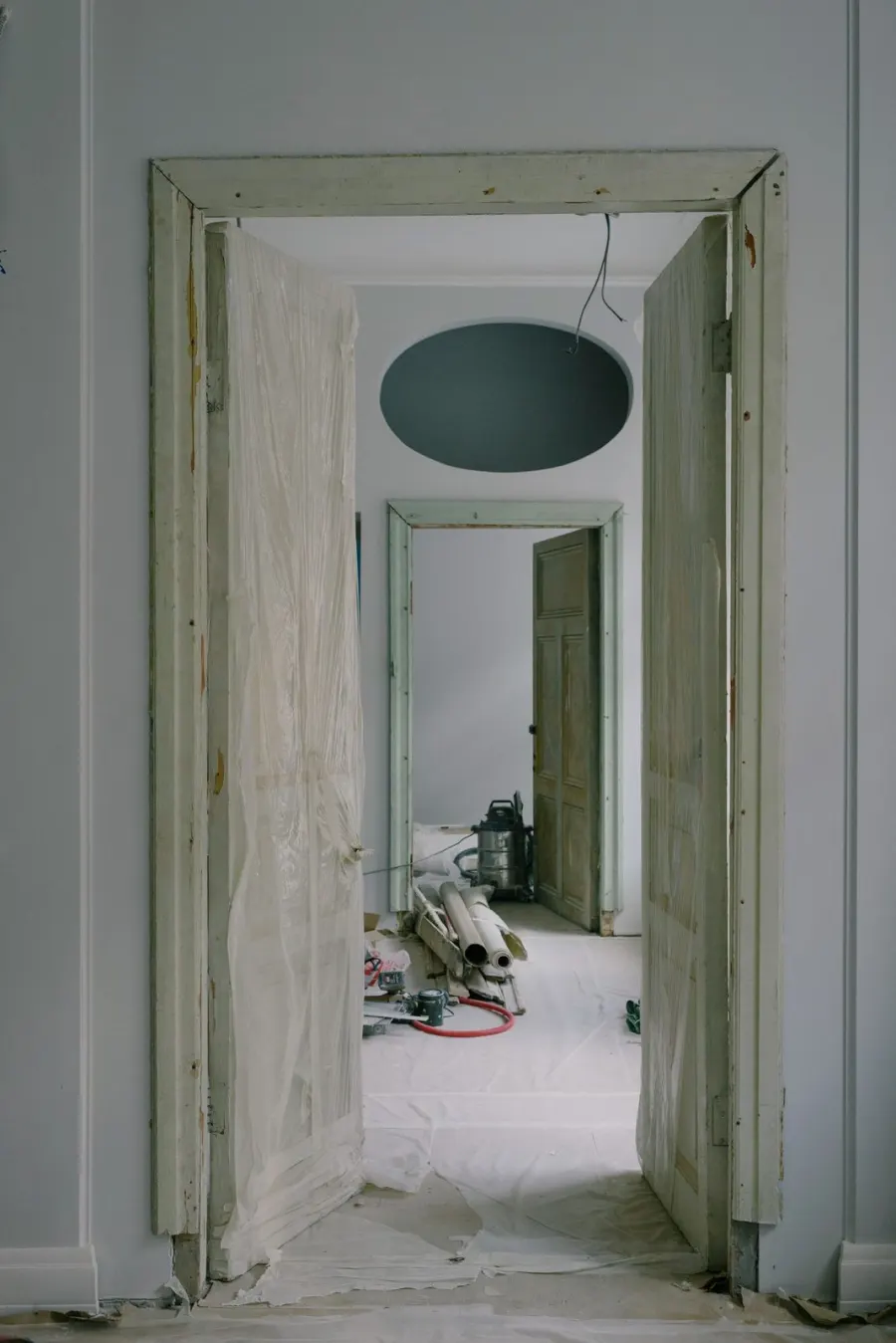
A whole-house renovation is a major project and a major investment. This guide covers what one costs in London in 2026, what is and is not included at each price, how long each stage takes, and the costs a quote leaves out.
How much does a full house renovation cost in London?
A full house renovation in London costs £1,500 to £3,500 per square metre in 2026. Mid-range work, meaning a new kitchen and bathrooms, a full rewire, new plumbing and heating, plastering, flooring and decoration throughout, sits at £1,500 to £2,200 per m², putting an 85 to 110 m² three-bed house at £128,000 to £240,000. Across all property sizes and specifications, whole-house work runs £40,000 to £150,000+ (MyBuilder and Checkatrade, 2026). The bottom of that range is a cosmetic refresh of a small flat at £800 to £1,200 per m²; a full strip-back of a family house sits at the top of it and beyond, as the size table below shows. The same specification runs at £1,200 to £1,800 per m² nationally, so London adds about 22 to 25%.
Compare quotes carefully, because "full renovation" covers two very different jobs. A cosmetic refresh at £800 to £1,200 per m² means new finishes on sound services, not stripping back to brick or rewiring. Every figure below is a build cost, excluding fees, contingency and VAT.
| Specification | Cost per m² | What is included |
|---|---|---|
| Cosmetic refresh | £800 to £1,200 | Decoration, flooring, plaster repairs, kitchen. Services untouched |
| Mid-range full refurbishment | £1,500 to £2,200 | Strip out, rewire, replumb, new heating, kitchen and bathrooms, plastering and decoration throughout |
| High end or structural | £2,500 to £3,500+ | As above plus structural openings, bespoke joinery, premium finishes, roof and windows |
What does it cost for your size of property?
Whole-house work is quoted per square metre, so your biggest cost driver is floor area, not bedroom count. The bands below apply the mid-range rate of £1,500 to £2,200 per m². A high-end specification lifts each band by roughly 60%.
| Property type | Typical internal area | Mid-range full refurbishment |
|---|---|---|
| 1-bed flat | 45 to 55 m² | £68,000 to £120,000 |
| 2-bed flat or maisonette | 60 to 75 m² | £90,000 to £165,000 |
| 3-bed Victorian terrace | 85 to 110 m² | £128,000 to £240,000 |
| 4-bed semi or detached | 130 to 160 m² | £195,000 to £350,000 |
What does a full renovation include?
A complete whole-house renovation rebuilds the services as well as the finishes. It usually covers:
- A new kitchen at £18,000 to £60,000 and bathrooms at £6,000 to £20,000+ each in London
- Full or partial rewiring and a new consumer unit, certified under Part P
- New plumbing, heating and usually a new boiler
- Plastering, flooring, joinery and decorating throughout
- Structural changes such as opening up the ground floor with an RSJ
- Roof, windows, insulation and damp works where the survey calls for them
Where does the money actually go?
Roughly a third of the budget goes on the kitchen and bathrooms, a third on services and structure, and a third on finishes and overhead. The example below is a 95 m² Victorian terrace taken back to brick, mid-range specification.
| Element | Indicative cost | Notes |
|---|---|---|
| Strip out, skips, scaffolding | £8,000 | Borough permits on top |
| Structural opening up, one RSJ | £5,000 | Engineer and building control |
| Full rewire and consumer unit | £6,000 | Part P certified |
| Replumb, new heating and boiler | £10,000 | Boiler alone £1,800 to £3,000 |
| Kitchen supplied and fitted | £22,000 | Mid-range units, quartz |
| Family bathroom and en-suite | £18,000 | £10,000 and £8,000 |
| Plastering throughout | £10,000 | £400 to £900 per room |
| Flooring, doors, skirting, staircase | £14,000 | Joinery is a common overspend |
| Windows | £12,000 | Sash repair or replacement |
| Roof repairs, damp and timber | £6,000 | Full reroof adds £11,500 to £22,000 |
| Decoration throughout | £8,000 | |
| External works and drainage | £9,000 | |
| Preliminaries and overhead | £22,000 | Management, welfare, insurance, profit |
| Build cost total | £150,000 | About £1,580 per m² |
Why does a London renovation cost more than the national average?
London runs about 22 to 25% above the UK average on these rates, and only part of that is wages. Trade day rates in London and the South East sit 10 to 25% above the rest of the country (MyJobQuote, 2026). The rest is:
- Access. Terraced streets with no side access mean everything goes through the front door by hand, skips need a borough permit and parking suspensions are charged weekly.
- Building stock. Inner London is largely Victorian: lath and plaster, single-brick rear additions, lime mortar, no insulation. More to put right than a 1980s house.
- Consents. Attached properties mean party wall notices, and conservation areas and Article 4 directions restrict external changes.
Room by room or all at once?
Renovating the whole house in one programme is usually cheaper and far quicker, because the trades work in sequence and you only strip out, scaffold and set up once. Phasing raises the total by roughly 20 to 30%, because each phase repeats the preliminaries and finished rooms get damaged by the next one. It also makes a proper rewire or replumb much harder. The case for phasing is cash flow and staying put: if that is you, read living in your home during a renovation first.
How long does each stage take?
A full house renovation in London takes 3 to 6 months on site, plus 6 to 16 weeks beforehand for design, surveys and consents. Stages overlap, so the durations below total more than the programme. Sequence matters more than speed, because getting it wrong means paying twice, so we follow a fixed order of works.
| Stage | What happens | Typical duration |
|---|---|---|
| Design and consents | Survey, drawings, calculations, building control, party wall | 6 to 16 weeks, before site |
| Strip out and enabling | Clearance, skips, scaffolding, propping | 1 to 2 weeks |
| Structure | RSJs, new openings, chimney breast removal | 2 to 4 weeks |
| Watertight | Roof repairs, windows, external repairs | 1 to 3 weeks |
| First fix | Wiring, pipework, heating, studs, insulation | 3 to 5 weeks |
| Plastering and drying out | Boarding, skimming, drying time | 2 to 4 weeks |
| Second fix and joinery | Sockets, radiators, doors, skirting, staircase | 3 to 5 weeks |
| Kitchen and bathrooms | Tiling, fitting, worktop templating | 3 to 6 weeks |
| Flooring and decoration | Floor finishes, painting throughout | 2 to 4 weeks |
| Snagging and handover | Certificates, snagging list | 1 to 2 weeks |
What stretches a programme is late decisions and late orders. Windows, joinery and stone worktops carry 6 to 12 week lead times, so they are ordered during first fix, not when the fitter arrives. See how long a renovation takes.
What does a renovation quote usually leave out?
The gap between a quoted build cost and what leaves your account is typically 25 to 40%. These lines sit outside a standard quote:
- VAT at 20%. Ask whether the quote includes it. On £150,000 that is £30,000. If the property has been empty for two years or more before work starts, the reduced 5% rate may apply under VAT Notice 708.
- Professional fees at 10 to 20% of build cost for architect, engineer and surveys. Architecture for London puts these at 15 to 20%.
- Party wall surveyor fees where you cut into or build near a shared wall.
- Borough charges: skip permits, parking suspensions, scaffold licences and building control fees, often charged weekly.
- Temporary accommodation and storage for 3 to 6 months, the largest forgotten cost.
- Provisional sums for appliances, sanitaryware, tiles and lighting. If the allowance is £4,000 and you specify £12,000 of tiles, you pay the difference.
Budgeting and contingency
Set aside a contingency of 10 to 15% of build cost, and 20% for a pre-1919 property never opened up before. On the £150,000 example that is £15,000 to £30,000 held back rather than spent on the kitchen. Older London homes reliably produce surprises: perished wiring, failed lime plaster, rot in joist ends and drains that are not where the plan says.
Control comes from an itemised quote against a defined specification, one accountable contractor, and payments tied to stages rather than dates. See our guides to budgets and contingency and choosing a builder, and put the agreed scope in a written renovation contract.
GS Renovation delivers full house renovations across all of London. See our home renovation London page, or contact us on 07472 424 226 for a free, itemised quote.