Key Takeaways
- Surveyors recorded a damp problem in 6% of English homes, around 1.4 million, in 2024-25, while 31% of households reported condensation, damp or mould (English Housing Survey, gov.uk).
- Of the three types, condensation is the most common and rising damp the least. Condensation is a ventilation and heating problem, not a damp-proofing one.
- Injected chemical damp-proof courses are routinely sold to people who do not need one, usually on the strength of a free survey by the firm selling the treatment.
- Penetrating damp is a building defect: fix the gutter, flashing, render or pointing and the damp stops.
- Get the diagnosis from someone who does not sell the remedy.
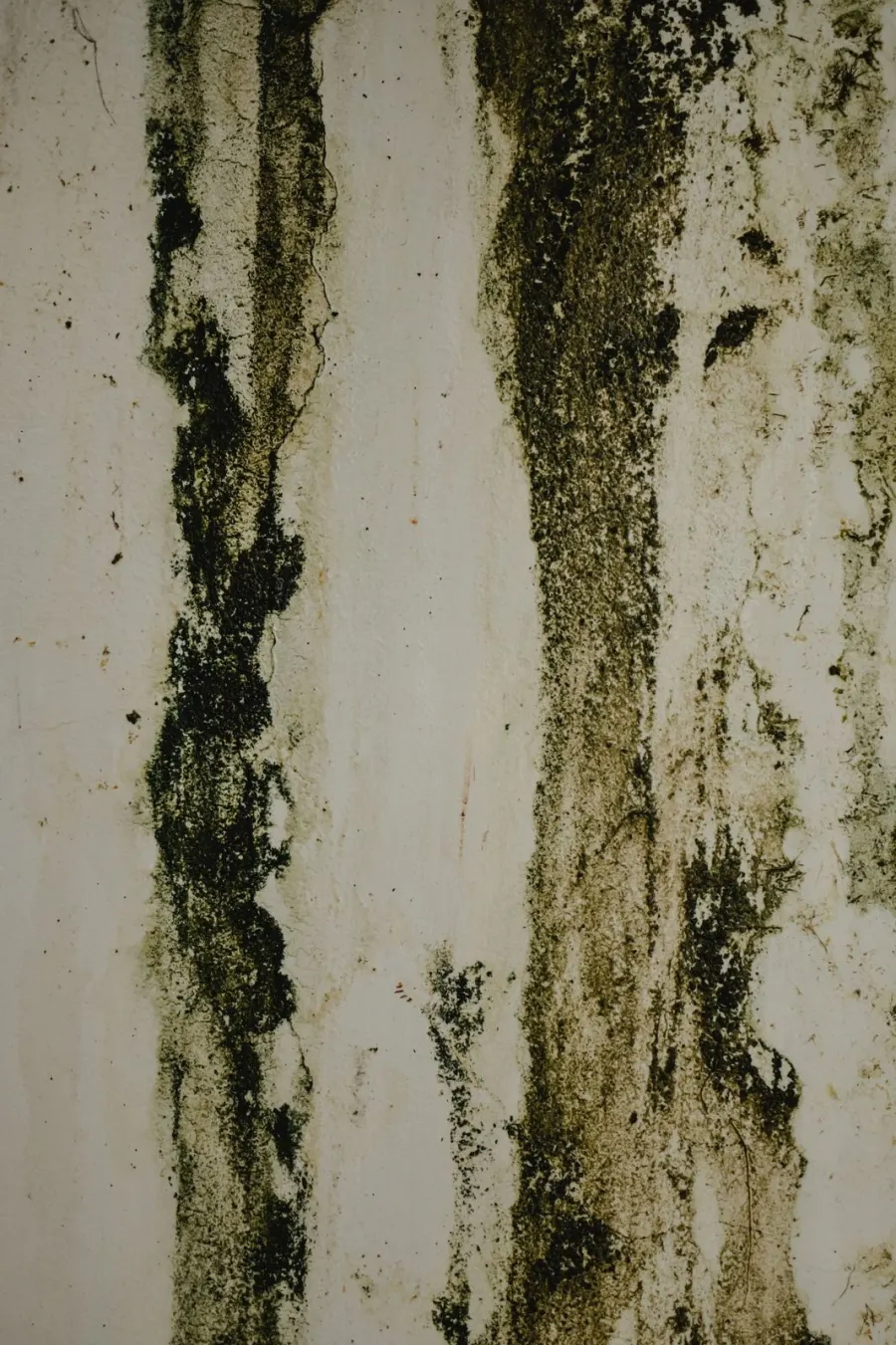
Damp on a wall is three different problems wearing the same coat. They have different causes, different cures and wildly different costs, and the wrong diagnosis is the most expensive mistake in British house maintenance. This guide explains how to tell them apart, and is direct about the treatment that gets sold most often and needed least.
Why is condensation the most common damp problem?
Because every household generates several litres of water vapour a day and modern draught-proofing gives it nowhere to go. Breathing, cooking, showering and drying washing indoors all put moisture into the air. Warm air holds it; when that air touches a surface below its dew point, the water comes back out as liquid. In the English Housing Survey, serious condensation is consistently the most frequently recorded form of damp, ahead of penetrating damp, with rising damp the least common of the three.
You are looking at condensation when you see water on window glass in the morning, black speckled mould in a corner, on window reveals, behind a wardrobe against an external wall, or in an unheated back bedroom. It is worse in winter, worse overnight, and worse in the coldest spot in the room. There is no external defect to find, because nothing is wrong with the fabric. The fix is ventilation, heating and insulation. It is not a damp-proof course, and no chemical injected into a wall will touch it.
What is rising damp, and how common is it?
Rising damp is groundwater drawn up through the base of a wall by capillary action where there is no working damp-proof course, or where one has been bridged. It shows as a tide mark up to roughly a metre above floor level, with salt blooming and blown plaster along the skirting, and only ever at the bottom of a ground floor wall.
It is also the least common of the three. In a pre-1919 solid wall house there was frequently no damp-proof course by design: the wall was built to absorb moisture and release it, and lime plaster let it do so. Moisture near the base of such a wall is not automatically a defect. Far more often the cause is bridging: a path, patio or driveway raised above internal floor level, render carried down over the DPC, or a flower bed piled against the wall. Those are cheap to correct and have nothing to do with injection.
What is penetrating damp?
Water coming through the fabric because something is broken. A slipped tile, failed flashing at a chimney or abutment, a leaking or blocked gutter, cracked render, open pointing, a bridged cavity or a leaking pipe will all do it. It shows as a localised patch, at any height, and gets visibly worse during and after rain. Find the defect above the patch and repair it, then let the wall dry before making good.
How do you tell them apart?
Pattern, position and timing separate them in almost every case, before anyone puts a meter on a wall.
| Condensation | Rising damp | Penetrating damp | |
|---|---|---|---|
| Where it appears | Cold surfaces, corners, window reveals, behind furniture | Base of ground floor walls only, up to about 1 metre | Localised patch at any height, below a defect |
| When it is worst | Cold weather, overnight, after cooking or bathing | Fairly constant year round | During and after rain |
| What you see | Black speckled mould, water on glass, musty smell | Tide mark, salt blooming, blown plaster at skirting | Damp patch with a stained edge, sometimes running |
| Correct fix | Ventilation, heating and insulation | Remove bridging, repair or install a DPC, replaster | Repair the defect, dry out, then make good |
Do you actually need an injected damp-proof course?
In most cases, no. Injected chemical DPCs are one of the most over-sold remedies in British housing, and the reason is structural to the industry rather than to the building: the free damp survey is normally carried out by the company that sells the treatment, so the diagnosis and the product come from the same invoice.
Two things are worth knowing before you sign anything. First, the electrical resistance moisture meters used on those surveys are calibrated for timber. On masonry they respond to soluble salts as well as water, so an old, salty but perfectly dry wall reads high. A defensible diagnosis uses drilled samples and gravimetric or calibrated carbide testing alongside elimination of external defects. Second, injecting a solid 450mm wall and covering it in dense sand and cement render does not remove moisture, it relocates it, often upward to reappear above the new render line. Breathable lime repairs are the accepted approach for solid wall period properties.
Before anyone injects anything, work through the free checks: external ground level against internal floor level, gutters and downpipes, cracked render, leaking pipes, and whether the room is ventilated at all. If damp persists after those, commission an independent damp and timber report from a surveyor with no remedial arm, or a RICS Level 3 building survey. An honest diagnosis costs a fraction of the wrong cure.
How do you fix condensation properly?
By removing moisture at source and keeping surfaces above dew point. Approved Document F sets the minimum extract rates that a working house needs, and most condensation complaints come from rooms that fall short of them or from fans that are never switched on.
| Room | Minimum intermittent extract rate |
|---|---|
| Kitchen, fan over the hob | 30 litres per second |
| Kitchen, fan elsewhere in the room | 60 litres per second |
| Utility room | 30 litres per second |
| Bathroom | 15 litres per second |
| WC | 6 litres per second |
Measures that work, roughly in order of value for money: humidistat extract fans that run on after use; stop blocking trickle vents and airbricks; dry washing outdoors or in one room with the door shut and the fan running; lids on pans; heat low and steady rather than in short blasts, because cold surfaces are half the equation; pull furniture 50mm clear of external walls; deal with cold bridges. Where the fabric is the limit, loft insulation, wall insulation and better glazing raise surface temperatures and cut condensation as a side effect. Our EPC improvement guide covers the order to do them in.
Diagnose first
Spend the first money on finding out what you have, not on curing what you assume. Read our fuller guide to damp causes and fixes, and if the wall is also cracking, check whether the movement is structural in our guides to cracks in walls and subsidence. GS Renovation diagnoses damp, repairs the cause and replasters across London. For advice, contact us or call 07472 424 226.