Key Takeaways
- London decorators charge around £200 to £380 a day, against a £150 to £280 national range (WhatToCharge and Bark, 2026).
- Per room, expect roughly £250 to £650 in London depending on size, condition and whether woodwork is included.
- Hall, stairs and landing is the priciest area at £600 to £1,200, because of access and cutting in.
- London and the South East run 15 to 25% higher than the national average.
- Day rates usually include basic materials but not paint. Budget separately.
- Good preparation, not just topcoat, is what makes decorating last.
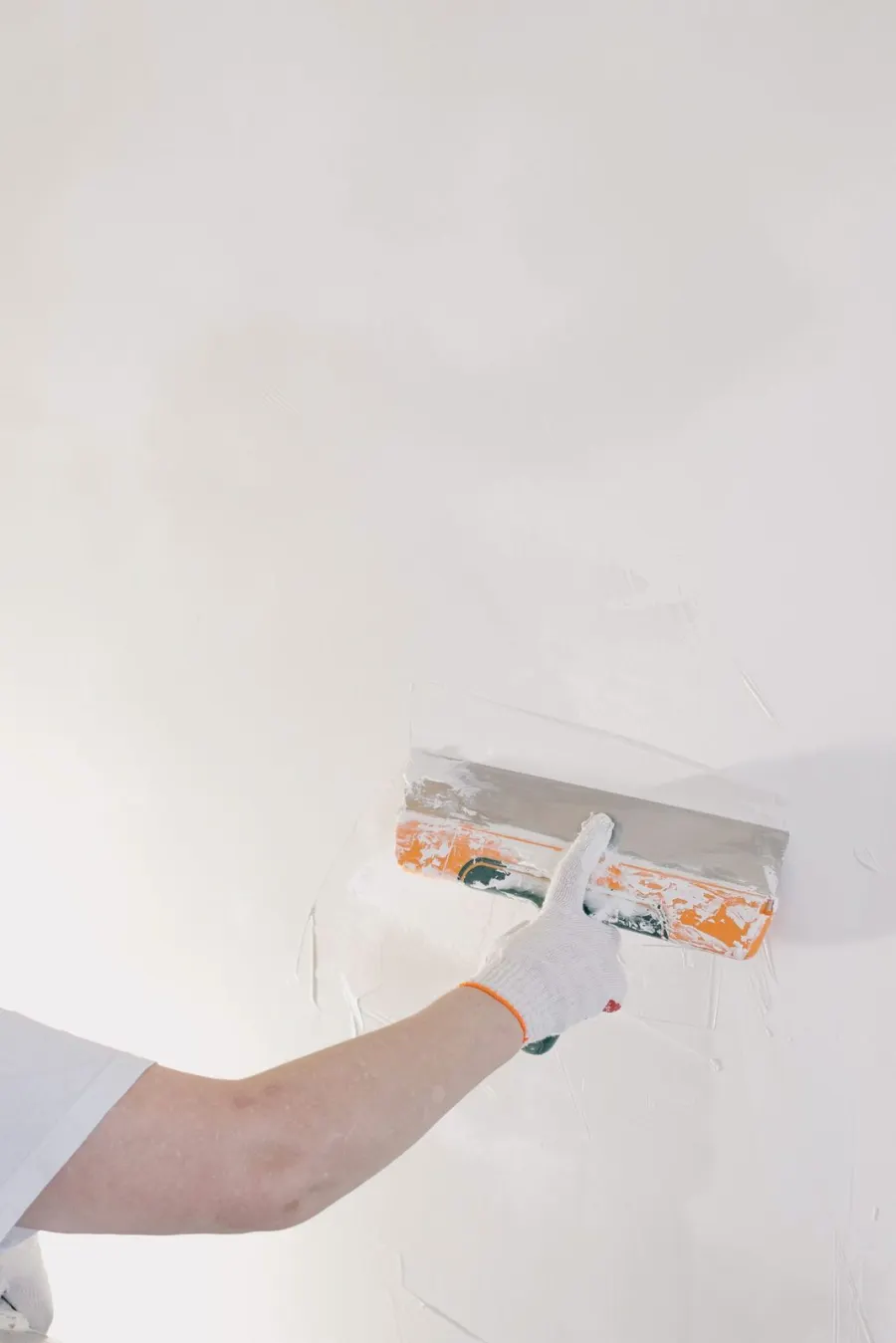
A fresh coat of paint is the most cost-effective way to change how a room feels, but a quality finish is all in the preparation. This guide covers what painting and decorating costs in London in 2026, by room, by day and by element, and how to get a finish that lasts.
How much does decorating cost in London?
London decorators charge around £200 to £380 per day for one experienced decorator, against a national range of £150 to £280, according to WhatToCharge and Bark. Priced by the room rather than by the day, expect roughly £250 to £650 for a bedroom and £600 to £1,200 for a hall, stairs and landing. London and the South East sit 15 to 25% above the national figures because labour, parking and access all cost more here.
| Room or area | Typical London price | Time on site |
|---|---|---|
| Decorator day rate (one person) | £200 to £380 | per day |
| Two-person team day rate | £400 to £650 | per day |
| Box room or small bedroom, walls and ceiling | £250 to £400 | 1 to 1.5 days |
| Double bedroom including woodwork | £400 to £650 | 1.5 to 2.5 days |
| Living room or large reception | £600 to £1,000 | 2 to 3 days |
| Kitchen or bathroom (more cutting in) | £350 to £600 | 1 to 2 days |
| Hall, stairs and landing | £600 to £1,200 | 2 to 4 days |
| Whole three-bed house, repaint throughout | £3,000 to £5,500 | 2 to 3 weeks |
What do the individual elements cost?
Most decorators will price a job by the element as well as by the room, and it is worth asking for that breakdown so you can drop or defer parts of the work. As a rule of thumb a decorator covers 15 to 25 m² of prepared wall or ceiling a day, which is where the per m² rates below come from.
| Element | Typical price | Notes |
|---|---|---|
| Ceiling, two coats | around £15 per m² | Roughly £100 and up per room |
| Woodwork: skirting, architrave, frames | around £15 per m² | Sanding and priming adds time |
| Interior door, both sides | £80 to £100 | More if stripping old gloss |
| Radiator | £15 to £20 | Needs radiator enamel, not emulsion |
| Wallpaper hung, supplied and fitted | £15 to £30 per m² | Paper itself £5 to £60 a roll |
| Stripping old wallpaper | £150 to £250 per day | Usually 1 to 2 days a house |
| Removing old paint from woodwork | £40 to £120 | Per room, condition dependent |
| Feature or statement wall | £100 to £300 painted | £250 to £700+ if wallpapered |
What affects the cost
Condition matters more than size. A newly plastered room takes emulsion straight away, while a tired Victorian room with cracked plaster, blown patches and forty years of gloss on the woodwork can double the labour before a single topcoat goes on. The other drivers are:
- Ceiling height. Tall London reception rooms and stairwells need towers or hop-ups, which slows everything down and is why a hall, stairs and landing costs more than a bedroom twice its floor area.
- Colour change. Going light over dark, or covering a strong red or navy, often needs a third coat or a tinted primer.
- Cornicing and period detail. Ornate cornice, ceiling roses, panelled doors and sash boxes are all hand work with a brush.
- Occupied or empty. Working around furniture, pets and people costs more than an empty house and takes longer.
- Access and parking. A permit bay, a fourth-floor flat with no lift, or a shared stairwell all add to a London price.
If the plaster is beyond filling, you are looking at a replastering job rather than a decorating one, and it is far cheaper to establish that before the decorator starts than halfway through.
Does the price include paint?
Usually not. Day rates and room prices normally cover consumables such as brushes, rollers, masking tape, dust sheets, caulk and filler, but the paint itself is almost always extra. Expect to either supply it yourself or pay the decorator's trade price plus a margin of roughly 15 to 25%.
The gap between paint brands is wide. Trade contract emulsion is a fraction of the price of a designer paint per litre, and on a whole house that difference runs into several hundred pounds. As an indicative figure, budget £250 to £600 for trade paint across a three-bed house and considerably more for a premium range. Ask the decorator to specify the exact products, sheens and how many litres, then price it yourself before deciding who buys it.
Why preparation matters
Most of a good decorating job is invisible once it is finished: filling cracks and nail holes, sanding back, caulking the joints between woodwork and wall, spot priming bare plaster and patched areas, and masking and protecting everything else. Skimping on prep is the single most common reason paintwork looks patchy, flashes in daylight or peels within a couple of years.
A decorator quoting noticeably below everyone else is usually pricing less preparation, not less profit. The honest comparison is not the headline number but the number of days each quote allows on site, so ask for that.
What is commonly missing from a quote?
Six things are left out of decorating quotes often enough to be worth checking line by line before you accept one.
- Paint supply. Confirm who buys it, which products, and how many litres.
- Number of coats. Two is standard. A colour change over a dark wall may need three.
- Woodwork and ceilings. Plenty of per-room prices are walls only.
- Making good. Filling and sanding is normal, but replastering, repairing damp-damaged plaster and easing sticking doors are not.
- Access equipment. Towers for a stairwell or a double-height room.
- Protection and waste. Moving and covering furniture, lifting and refitting carpet edges, and taking away old paper and tins.
If a wall is damp or blowing, painting over it will fail. Deal with the damp cause first, and check whether what you are seeing is actually condensation rather than damp, because the fix and the cost are different.
When to decorate
Decorating is one of the last trades, after plaster has dried and second-fix carpentry and electrics are complete. New plaster needs to dry properly, typically two to four weeks depending on thickness, warmth and ventilation, and it should have a thinned mist coat before any topcoat. Painting too early risks damage from later work, which is why it sits near the end of the order of works and why it usually overlaps with the snagging stage.
On a whole-house project, plan for two to three weeks of decorating on a typical three-bed and expect one return visit for touching up after the floors go down. GS Renovation includes professional decorating in home renovations across London and in full house refurbishments, sequenced so it is done once and done well. For a free quote, contact us or call 07472 424 226.