Key Takeaways
- Moving a £700,000 London home costs £40,000 to £48,000 in fees before you gain a single square metre (gov.uk and HomeOwners Alliance, 2026).
- Stamp duty is £25,000 at £700,000 and £63,750 at £1.2m. It is the largest single cost of moving and you get none of it back.
- Estate agent fees average 1.42% including VAT, and London sole agency is commonly 1.5% plus VAT.
- A London side return costs £60,000 to £100,000 to build and buys roughly 8 to 14 m² you own; fees, VAT and contingency add 30 to 45%.
- A double bedroom and bathroom can add up to 24%, roughly £131,000 on the London average (Nationwide, 2025).
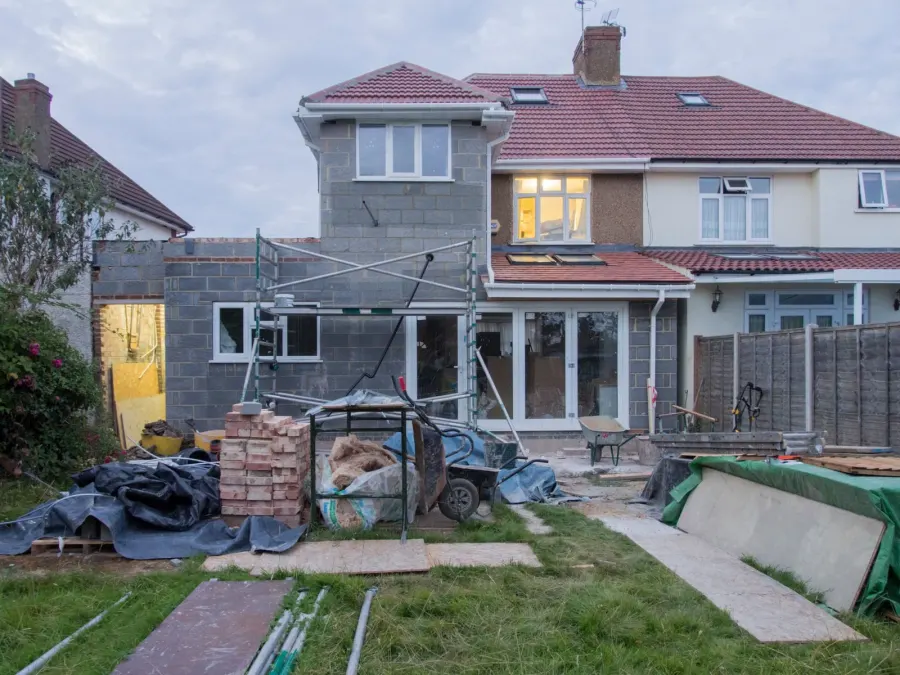
When a London home feels too small, the choice is stark: extend, or move. This guide compares the real costs of each in 2026, including the fees that make moving so expensive, to help you decide which makes sense for you.
What does it actually cost to move in London?
Between £40,000 and £48,000 on a £700,000 move, and every penny of it is unrecoverable. HomeOwners Alliance puts the UK average at £13,018 on a £292,000 home in 2026, but almost every line in that total is a percentage of the price, so London multiplies it. The average London property is £545,315 against £271,000 for the UK, per the HM Land Registry UK House Price Index for May 2026.
The table assumes you sell at £700,000 and buy at £700,000, a like-for-like move within inner London. Trading up adds the price gap on top of all of it.
| Cost of moving | On a £700,000 move | Notes |
|---|---|---|
| Stamp duty (home mover) | £25,000 | Charged in bands, see below |
| Estate agent fee | £9,940 to £12,600 | 1.42% inc VAT UK average; London sole agency commonly 1.5% plus VAT |
| Conveyancing, both sides | £3,000 to £5,000 | Inc disbursements. Leasehold costs more |
| Survey | £1,000 to £2,000 | RICS Level 3, the one to have on a period home |
| Mortgage arrangement and valuation | £0 to £1,150 | Nil on a fee-free product |
| Removals, 3 bed | £1,200 to £2,200 | More with packing or a parking suspension |
| EPC for the seller | £60 | Required before marketing |
| Total | £40,200 to £48,010 | Buys no extra space |
How much stamp duty will you pay?
Stamp duty is charged in slices, not on the whole price, and the nil rate band dropped back to £125,000 on 1 April 2025. For a home mover who will own only one property:
| Portion of the price | Rate | Tax on that slice |
|---|---|---|
| Up to £125,000 | 0% | £0 |
| £125,001 to £250,000 | 2% | £2,500 |
| £250,001 to £925,000 | 5% | up to £33,750 |
| £925,001 to £1,500,000 | 10% | up to £57,500 |
| Above £1,500,000 | 12% | on the balance |
In practice that is £25,000 at £700,000, £35,000 at £900,000, £43,750 at £1m and £63,750 at £1.2m. First-time buyers pay nothing to £300,000 and lose the relief entirely above £500,000, which rules most of London out. Buy before you sell and you pay the 5% additional property surcharge up front, reclaiming it once the old home goes.
What does the equivalent extension cost?
From about £40,000 to £90,000 to build the ground-floor space most London families are short of. Extensions are priced by floor area, not by room, at £2,000 to £2,800 per m² for standard work (Resi, Checkatrade and MyJobQuote, 2026) and £3,000 to £5,000 per m² for architect-designed premium finishes (Architecture for London, 2026). With professional fees and VAT inside the number, most delivered London projects land at £3,000 to £4,500 per m².
| Option | Space added | London cost |
|---|---|---|
| Side return | 8 to 14 m² | £60,000 to £100,000 |
| Single-storey rear | 15 to 25 m² | £40,000 to £90,000 |
| Wrap-around | 25 to 35 m² | £80,000 to £130,000 |
| Double-storey rear | 30 to 45 m² | £75,000 to £160,000 |
| Loft conversion | 15 to 30 m² | £25,000 to £100,000+ |
| Garage conversion | 12 to 18 m² | £10,000 to £25,000 |
Add 10 to 20% for architect, engineer and building control fees, and a 10 to 15% contingency. VAT at 20% applies to work on an existing home, so check it is inside your quote. Many rear extensions are permitted development, many London side returns need full planning permission, and attached properties nearly always trigger a party wall notice.
Extending vs moving, head to head
| Factor | Extending | Moving |
|---|---|---|
| Cost of 20 to 30 m² more | £50,000 to £90,000 to build, roughly £65,000 to £130,000 all in with fees, VAT and contingency | £40,000 to £48,000 in fees, plus the price gap for the larger house |
| What the money buys | An asset you keep | Tax, commission and fees |
| Value returned | Up to 24% for a double bedroom and bathroom | Nothing from the fees |
| Time | 4 to 7 months with consents | 4 to 6 months, chain dependent |
| Disruption | High, on site, 10 to 16 weeks | Short but total |
| Location and catchment | Unchanged | Changes, for better or worse |
| Main risk | Overspend, groundworks, refusal | Chain collapse, gazumping, downvaluation |
When does moving actually win?
When the problem is not floor area. If you need a different borough, a specific school catchment, a shorter commute or a jump from three bedrooms to five, no extension solves that. It also wins where the site fights you: a plot already built out, a flat with no rights over the ground, a listed building, an Article 4 direction over the elevation you wanted to change, or a rear boundary with a public sewer under it. And if yours is already the most expensive house on the street, extending pushes you past the ceiling price, where you will not get the money back.
Our recommendation
Extend if you like where you live and need up to about 30 m² more space. On a £700,000 London home you would burn £40,000 to £48,000 in tax and fees just to arrive at an equivalent house, before paying the price gap for a bigger one. Extending costs more than those fees once professional fees, VAT and contingency are in, roughly £65,000 to £130,000 all in for 20 to 30 m², but every pound becomes floor area you own, in a location you have already chosen, and a kitchen-diner or extra bedroom is among the strongest value plays in London.
Move if the issue is location, catchment or a size jump an extension cannot deliver, or if your plot, consents or the ceiling price rule extending out. Price both properly before you decide: a real builder's quote and a real agent's valuation, not a per m² guess.
GS Renovation designs and builds extensions across London and can tell you what your property will realistically support before you spend anything on drawings. For a free assessment, contact us or call 07472 424 226. See also which renovations add the most value.