Key Takeaways
- A double storey extension in London costs £70,000 to £150,000 in 2026, with high-end projects reaching £200,000+ (LCCL / MyJobQuote, 2026).
- Per square metre it runs £2,800 to £4,500 for the combined two-floor build.
- It is more cost-efficient per m² than single storey because foundations, scaffold and roof are shared across two floors.
- Adding a bedroom can add up to 24% to value (Nationwide, 2025).
- Most need full planning permission and take 16 to 24 weeks on site.
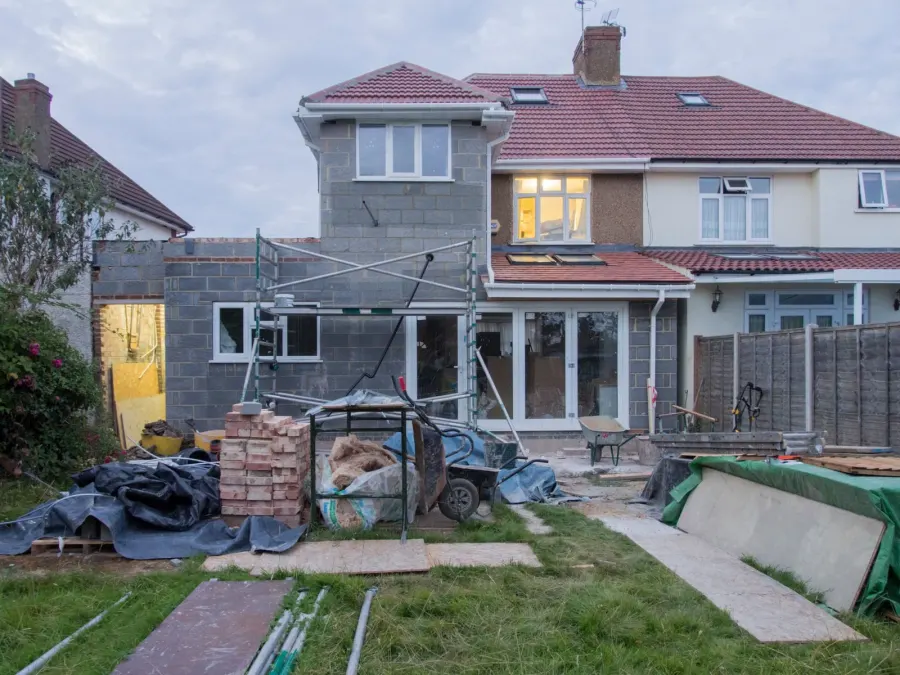
If you need to add serious space to a London home and have the room to build, a double storey extension delivers the most floor area for your money. This guide covers exactly what it costs in 2026, why it is so cost-efficient, and the planning and timeline you should expect.
How much does a double storey extension cost in London?
A double storey extension in London typically costs £70,000 to £150,000 in 2026, with high-end projects reaching £200,000 or more, according to LCCL Construction and MyJobQuote figures. Per square metre, the combined two-floor build runs roughly £2,800 to £4,500, excluding VAT and professional fees.
| Size (total, both floors) | Typical London cost |
|---|---|
| Standard (20 to 30 m²) | £70,000 to £90,000 |
| Mid-range (30 to 45 m²) | £90,000 to £120,000 |
| Large / high-spec (45 m²+) | £120,000 to £200,000+ |
Costs by size and specification
As with any build, the final figure depends on size, specification and site conditions. A compact two-storey rear extension on a terraced house sits at the lower end, while a larger extension with high-end finishes, structural complexity, or difficult access in a tight London plot pushes towards and beyond £150,000. Restricted access, scaffold and parking permits, and the need to work around neighbours all add to London costs.
Why a double storey is cost-efficient
Here is the key insight: a double storey extension is cheaper per square metre than a single storey. That is because the most expensive elements, the foundations, scaffolding and roof, are shared across two floors rather than paid for once per floor. You are essentially getting the second floor at a discount, because the groundworks and roof are already there. For homeowners who know they need a lot of extra space, building up as well as out is the most efficient way to get it.
What to do with the space
The classic configuration adds a larger kitchen-diner or living space downstairs and an extra bedroom upstairs, very often a master suite with an en-suite and dressing area. Adding a bedroom and a second bathroom is exactly what buyers value most, which is why the double storey is such a strong investment. Some homeowners use the upstairs for a guest suite, a home office, or a children's bedroom and bathroom.
Planning permission
Most double storey extensions exceed Permitted Development limits and need full planning permission, particularly on height, depth and impact on neighbours' light and privacy. Conservation areas and Article 4 directions add scrutiny. The good news is that English councils approve around 90% of householder applications (gov.uk planning statistics), and a well-designed scheme that respects the neighbours has a strong chance. You will also need a party wall agreement where the work affects shared walls, which is common in London terraces.
Timeline and value
A double storey extension typically takes 16 to 24 weeks on site, with design, planning and structural calculations beforehand. Against that, the value uplift is among the best available: Nationwide's 2025 research found adding a bedroom can add up to 24% to a property's value, and a double storey reliably delivers that extra bedroom.
GS Renovation designs and builds double storey extensions across all of London, managing planning, structure and build under one roof. For a free assessment of what your property can support, contact us or call 07472 424 226. Comparing options? See our extension cost guide and extension vs loft comparison.