Key Takeaways
- A full roof replacement on a London 3-bed typically costs £11,500 to £22,000 (inner London), versus a UK average of £6,500 to £14,500 (Checkatrade / Best Builders, 2026).
- Pitched tile roofs cost roughly £120 to £275 per m²; flat roof replacement £1,200 to £6,000 in London.
- London labour runs 15 to 30% higher than the North.
- Scaffolding (£800 to £1,600) and stripping the old roof (£800 to £2,000) add to the base price, plus a borough licence where the scaffold sits on the pavement.
- Building Regulations apply once you replace more than 25% of the roof area, which triggers a thermal upgrade requirement.
- Localised failures are a repair; widespread nail fatigue, sagging or delaminating slate is a replacement.
- Signs you need a new roof include persistent leaks, sagging, and widespread slipped or broken tiles.
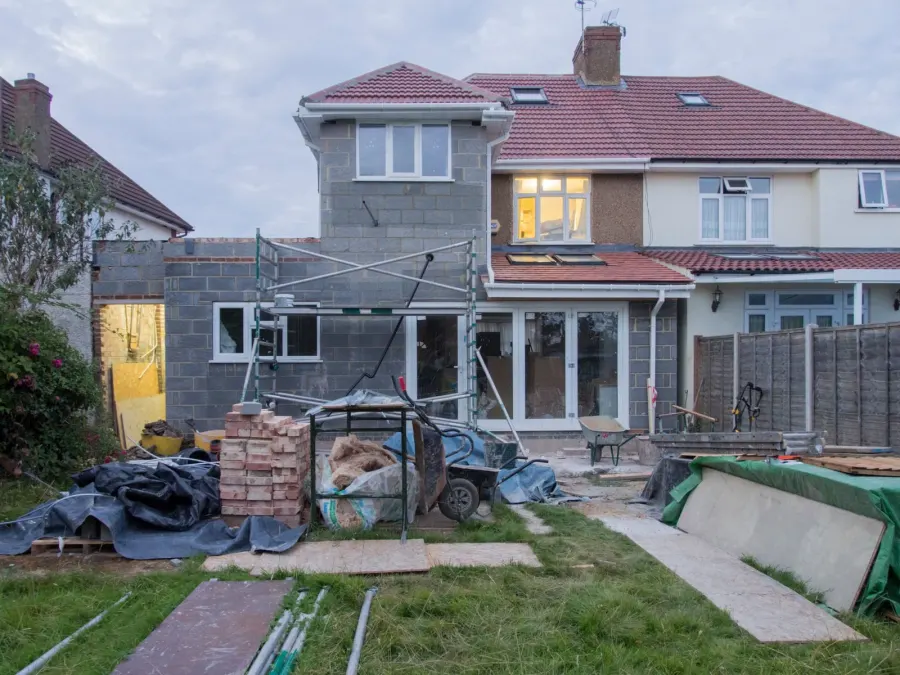
A roof is the one element protecting everything below it, and replacing it is a significant but unavoidable investment when the time comes. This guide explains what a roof replacement costs in London in 2026, by material and type, and how to know when you need one.
How much does a roof replacement cost in London?
A full roof replacement on a typical London three-bed costs around £11,500 to £22,000 for inner London, against a UK average of £6,500 to £14,500, according to Checkatrade and Best Builders 2026 data. London labour runs 15 to 30% higher than the North and parts of Wales, which is the main reason for the premium.
Roofers price the covering by the square metre and everything else by the job, so quotes only compare once you know the roof area, the pitch and what is happening to the structure underneath.
| Roof and property | Typical London cost | Time on site |
|---|---|---|
| Pitched tile or slate, per m² | £120 to £275 | covering only |
| Simple gable roof, terrace | £5,500 to £9,000 | 2 to 3 days |
| Hipped roof, semi-detached | £7,000 to £12,000 | 3 to 4 days |
| Hipped roof, detached | £9,000 to £15,000 | 4 to 5 days |
| Three-bed pitched roof, inner London | £11,500 to £22,000 | 1 to 2 weeks |
| Complex roof with two or more valleys | £12,000 to £20,000+ | 5 to 7 days |
| Flat roof replacement | £1,200 to £6,000 | 2 to 5 days |
Costs by material
The covering is the single biggest variable, and on a London period house it may not be a free choice. Concrete tiles are the most economical and most common UK covering. Clay tiles and natural slate cost more but last longer and are frequently what a conservation officer will insist on.
| Covering | Indicative supply, per m² | Expected life |
|---|---|---|
| Concrete tile | £13 to £25 | 40 to 60 years |
| Natural slate | £28 to £60 | 80 to 100 years |
| Clay tile | £38 to £70 | 60 to 100 years |
| Metal, standing seam or profiled | £25 to £70 | 40 to 70 years |
| EPDM rubber, flat roofs | £15 to £40 | 20 to 30 years |
Check whether your conservation area dictates the covering before pricing anything. Swapping slate for concrete on a Victorian terrace in a designated area gets refused or enforced against, and an Article 4 direction can remove the right to alter roof materials at all.
Flat roofs
Flat roofs are common on London extensions, dormers and rear additions, and replacement typically costs £1,200 to £6,000 depending on size and system. Modern options include EPDM rubber, GRP fibreglass and high-performance felt, all of which far outlast old pour-and-roll felt and last 20 to 30 years or more. If you are extending, the new flat roof is built into the project. For localised failures, see our flat roof repair guide.
Scaffolding and the extras
The headline price is rarely the whole story. Budget for:
- Scaffolding: £800 to £1,600 for a three-bed, plus a borough licence where it stands on the pavement and parking suspension charges in most inner London boroughs.
- Stripping the old roof: tiles, battens and felt typically add £800 to £2,000, with skip hire of £250 to £1,150 depending on volume.
- New battens and breathable membrane, always replaced on a full re-roof and not optional.
- Structural repairs: rotten or undersized rafters, purlins and wall plates add £200 to £1,500, and cannot be quoted accurately until the covering is off.
- Fascias, soffits and guttering: around £95 to £100 per m² for fascia and soffit, £30 per metre for uPVC gutter and £60 for metal. The scaffold is up, so this is the cheapest time to do it, along with chimney repointing, flaunching and new lead flashings.
- Insulation and ventilation upgrades while the roof is open.
Should you repair or replace?
Repair is the right answer far more often than a roofer knocking on your door will suggest. The test is whether the failure is localised or systemic.
A handful of slipped tiles, a failed lead flashing, a blocked valley or a single leak with a traceable path is a repair, typically a few hundred pounds. Widespread nail fatigue, where slates slip across the whole slope because the fixings have rusted through, a sagging roofline, delaminating slate, or a covering at the end of its life is a replacement. Patching a roof in that state means paying for scaffolding repeatedly for a result that fails again.
Get a written condition report with photographs before you commit to five figures. A sagging roofline or cracking spreading into the walls below is a structural question rather than a covering one, and our guides on cracks in walls and subsidence cover what to do next.
When do Building Regulations apply to a re-roof?
Building Regulations apply once you replace more than 25% of the roof area. Below that, a like-for-like repair is not notifiable. Above it, Building Control has to be involved, which means two things in practice.
- Thermal upgrade. Going over 25% triggers a requirement to improve that element's insulation to current standards where it is technically and economically feasible. With a cold loft that usually means topping up loft insulation; on a warm roof or a room in the roof it means insulating at rafter level, which adds cost and sometimes height.
- Structure. The new covering must not overload what is under it. Changing slate for concrete tile is heavier and needs checking against the rafters and purlins.
Planning permission is a separate question and usually is not needed. Re-roofing that does not materially affect external appearance falls under permitted development, and alterations must not project more than 150mm from the existing roof slope or exceed the existing roof height, according to the Planning Portal. That changes on a listed building, in a conservation area, or under an Article 4 direction. See our building regulations guide and permitted development guide.
Source: Planning Portal guidance on roof work and permitted development for householders, 2026, and Approved Document L thermal element requirements.What is commonly left out of a quote?
Roofing quotes vary far more in scope than in price. Before comparing two, check both include the scaffold and its licence, stripping and waste removal, new battens and membrane, rotten timber replacement up to a stated allowance, new leadwork to chimneys and abutments, ridge and hip tiles, and making good internally. A stated rate for rafter replacement is worth more than a promise to be reasonable.
Get both the product warranty and the workmanship guarantee in writing. Our guide to choosing a builder in London covers the checks worth making before you pay a deposit.
Signs you need a new roof
A roof rarely fails overnight, but the warning signs are clear:
- Persistent or recurring leaks and water stains on ceilings.
- A visibly sagging roofline.
- Widespread slipped, cracked or missing tiles.
- Daylight visible through the roof in the loft.
- Damp, soft or rotten roof timbers.
If you spot these, get the roof inspected before the next winter. GS Renovation carries out roof replacements and repairs across London. For a free assessment, contact us or call 07472 424 226. Doing the roof during a full renovation or loft conversion is the most efficient time, and loft insulation is far cheaper while the covering is off.