Key Takeaways
- An air source heat pump costs £8,000 to £15,000 installed for most homes, averaging around £12,000 before grants (GreenMatch and MyJobQuote, 2026).
- The Boiler Upgrade Scheme gives £7,500 off in England and Wales, cutting the typical net cost to £500 to £7,500.
- Off-gas-grid homes on oil or LPG get an extra £1,500, a £9,000 grant, until March 2027.
- The installer must be MCS certified. Without that, there is no grant.
- A 3 to 4 bed home needs roughly a 6kW to 16kW unit, sized by heat loss calculation.
- At the price cap a heat pump is roughly level with gas; on a heat pump tariff it is clearly cheaper.
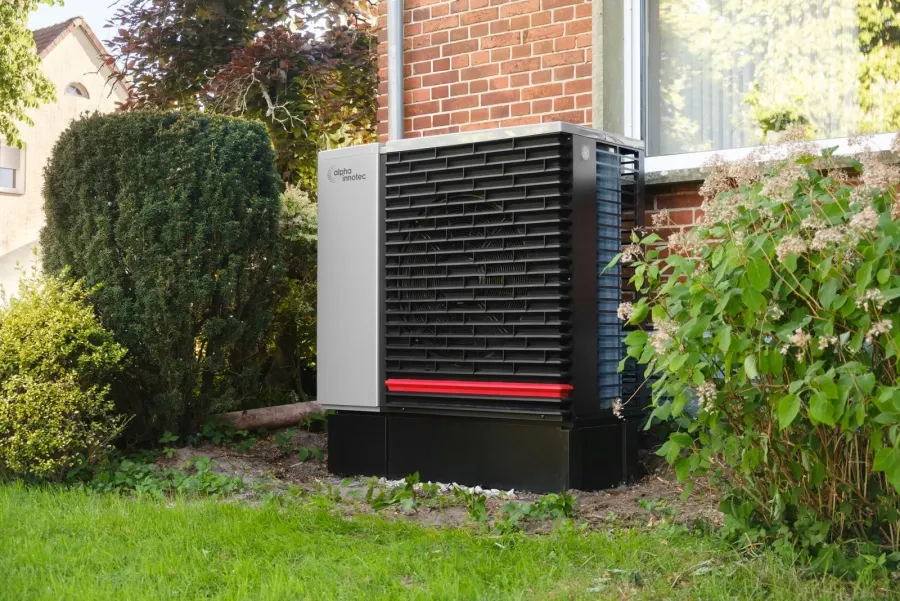
Heat pumps are the main low-carbon route to heating a home, and a generous grant makes them far more affordable. This guide covers what an air source heat pump costs in London in 2026, how the £7,500 grant and MCS certification work, whether your home is suitable, and an honest comparison of running costs against gas.
How much does a heat pump cost in London?
An air source heat pump costs £8,000 to £15,000 installed for a standard air-to-water system, rising to around £16,500 on a large detached house, and averages £12,000 before grants, according to GreenMatch and MyJobQuote. After the £7,500 Boiler Upgrade Scheme grant, the typical net cost is £500 to £7,500. Installation takes about three days.
| Property | Typical output | Installed cost | Net after £7,500 grant |
|---|---|---|---|
| One-bed flat or small terrace | 4kW to 5kW | £7,000 to £8,000 | £0 to £500 |
| Two-bed semi | 5kW to 7kW | £7,000 to £10,000 | £0 to £2,500 |
| Three-bed semi | 7kW to 13kW | £8,100 to £13,000 | £600 to £5,500 |
| Four-bed detached | 11kW to 16kW | £9,500 to £16,500 | £2,000 to £9,000 |
| Five-bed detached | 16kW+ | £11,000 to £16,500+ | £3,500 to £9,000+ |
| Additional item | Typical cost | When it applies |
|---|---|---|
| Hot water cylinder | £800 to £1,500 | Almost always, if you are coming off a combi |
| Radiator upgrades | £150 to £300 per radiator | Where existing radiators are undersized |
| Underfloor heating | £40 to £190 per m² | New floors or a ground-floor rebuild |
| Annual service | £100 to £200 a year | Required to keep most warranties valid |
How does the Boiler Upgrade Scheme grant work?
The Boiler Upgrade Scheme (BUS) pays £7,500 towards an air source or ground source heat pump in England and Wales. You never handle the money. Your installer applies to Ofgem for the voucher and deducts the grant from your invoice, so you pay the reduced price up front.
| Technology | Grant |
|---|---|
| Air source heat pump | £7,500 |
| Ground source or water source heat pump | £7,500 |
| Off-gas-grid uplift (oil or LPG heated, until March 2027) | plus £1,500, so £9,000 |
| Biomass boiler (rural, off-grid only) | £5,000 |
| Air-to-air heat pump | £2,500 |
You must own the property and be replacing a fossil fuel system, and an air source voucher is valid for three months, so the installation has to be finished within that window. Social housing and most new builds are excluded. The old requirement to clear outstanding loft and cavity wall insulation recommendations on your EPC has been dropped, which removed the most common reason applications used to stall. The scheme is funded through to 2029/30.
Why does MCS certification matter?
Because without it there is no grant. The scheme only pays out where the installer is certified under the Microgeneration Certification Scheme and belongs to an approved consumer code such as RECC or HIES. An excellent plumber who is not MCS registered cannot get you the £7,500, however good the installation.
Certification also means the installer works to set standards for heat loss calculation, system design and noise assessment, and issues an MCS certificate on completion. That certificate is what a future buyer or a warranty claim will ask for.
Is your home suitable?
Heat pumps deliver heat at a lower flow temperature than a gas boiler, typically 45 to 55°C rather than 70°C, so they work best in reasonably well-insulated homes with radiators sized for that lower temperature.
What a competent installer will do before quoting a system:
- A room-by-room heat loss calculation, not a rule of thumb. An oversized unit cycles inefficiently; an undersized one will not heat the house in February.
- Radiator sizing against the design flow temperature. Expect some radiators to grow, at £150 to £300 each fitted, or to be replaced with underfloor heating where floors are coming up anyway.
- Pipework check. Microbore pipe often cannot carry the flow rate a heat pump needs and may have to be upgraded.
- Cylinder space. Coming off a combi means finding room for a cylinder, usually in an airing cupboard or loft.
- Outdoor space and noise. The unit needs air movement around it and a compliant noise position.
Older London properties usually benefit from wall insulation or loft insulation first: the fabric work is what makes the running costs add up. Choosing between underfloor heating and radiators is the other decision to settle early.
Do you need planning permission?
Usually not. Air source heat pumps sit under permitted development in England as Class G, and the rules were relaxed on 29 May 2025. The old one metre boundary rule was removed, so a unit can now sit next to a neighbour's wall or fence. The maximum unit size rose from 0.6m³ to 1.5m³, and detached houses may have two units.
The condition that still bites is noise. The installation must meet MCS 020, which requires the calculated sound level to be 37 dB(A) or lower at the nearest noise-sensitive premises, usually a neighbour's window. On a tight London plot that calculation, not the planning form, decides where the unit can go. Conservation areas, listed buildings and properties under an Article 4 direction are more restricted.
Running costs: the honest comparison
At the Ofgem price cap a well-designed heat pump costs about the same to run as a modern gas boiler, and on a heat pump tariff it is meaningfully cheaper. Anyone promising large savings on a standard tariff is overselling it. Electricity costs roughly three and a third times as much as gas per unit, and a heat pump returns three to three and a half units of heat per unit of electricity.
| Heating | Unit rate | Efficiency | Cost per kWh of heat |
|---|---|---|---|
| Condensing gas boiler | 7.97p | 90% | around 8.9p |
| Heat pump, capped electricity | 26.32p | SCOP 2.8 | around 9.4p |
| Heat pump, capped electricity | 26.32p | SCOP 3.5 | around 7.5p |
| Heat pump, dedicated tariff | around 14p | SCOP 3.0 | around 4.7p |
Annually, expect roughly £700 to £1,200 to heat a two or three-bed home and £1,000 to £1,500 for a four or five-bed on standard rates.
What is commonly missing from a quote?
Heat pump quotes vary more in scope than in price. Check for all of these:
- The heat loss calculation and MCS design paperwork, plus the design flow temperature it is based on.
- Hot water cylinder and its location, at £800 to £1,500.
- Every radiator that has to change, listed individually, not "as required".
- Electrical work, a dedicated circuit and occasionally a supply upgrade.
- Decommissioning the gas boiler, plus the base and condensate drain.
- Making good where pipework is chased in or floors are lifted.
A heat pump makes most sense inside a wider project, because the disruption of lifting floors, moving radiators and finding cylinder space is already being paid for. GS Renovation carries out the fabric and building work a heat pump depends on, such as insulation, lifting floors for underfloor heating and forming cylinder space, as part of home renovations across London. The heat pump itself is designed, installed and commissioned by an MCS certified installer, which we can coordinate within the wider programme. For advice, contact us or call 07472 424 226.