Key Takeaways
- Fitted flooring spans roughly £15 to £120 per m² in 2026, from laminate at the bottom to large-format porcelain at the top (PricingPenguin and BookaBuilderUK, 2026).
- Engineered wood is the right default for most London living spaces: real timber, stable enough for underfloor heating, £40 to £90 per m² fitted.
- Tile, stone or LVT in kitchens, bathrooms and hallways. Anywhere water lands, water resistance beats appearance.
- Over underfloor heating, keep the total floor covering below about 2.5 tog. Tile emits around 71 W/m² against 48 W/m² for carpet (Underfloor Heating Systems Ltd, 2026).
- The subfloor decides more than the finish. A springy Victorian suspended timber floor cracks tiles unless it is stiffened and overboarded first.
- Solid wood is beautiful and sandable many times over, but it moves. Keep it out of wet rooms and off heated floors.
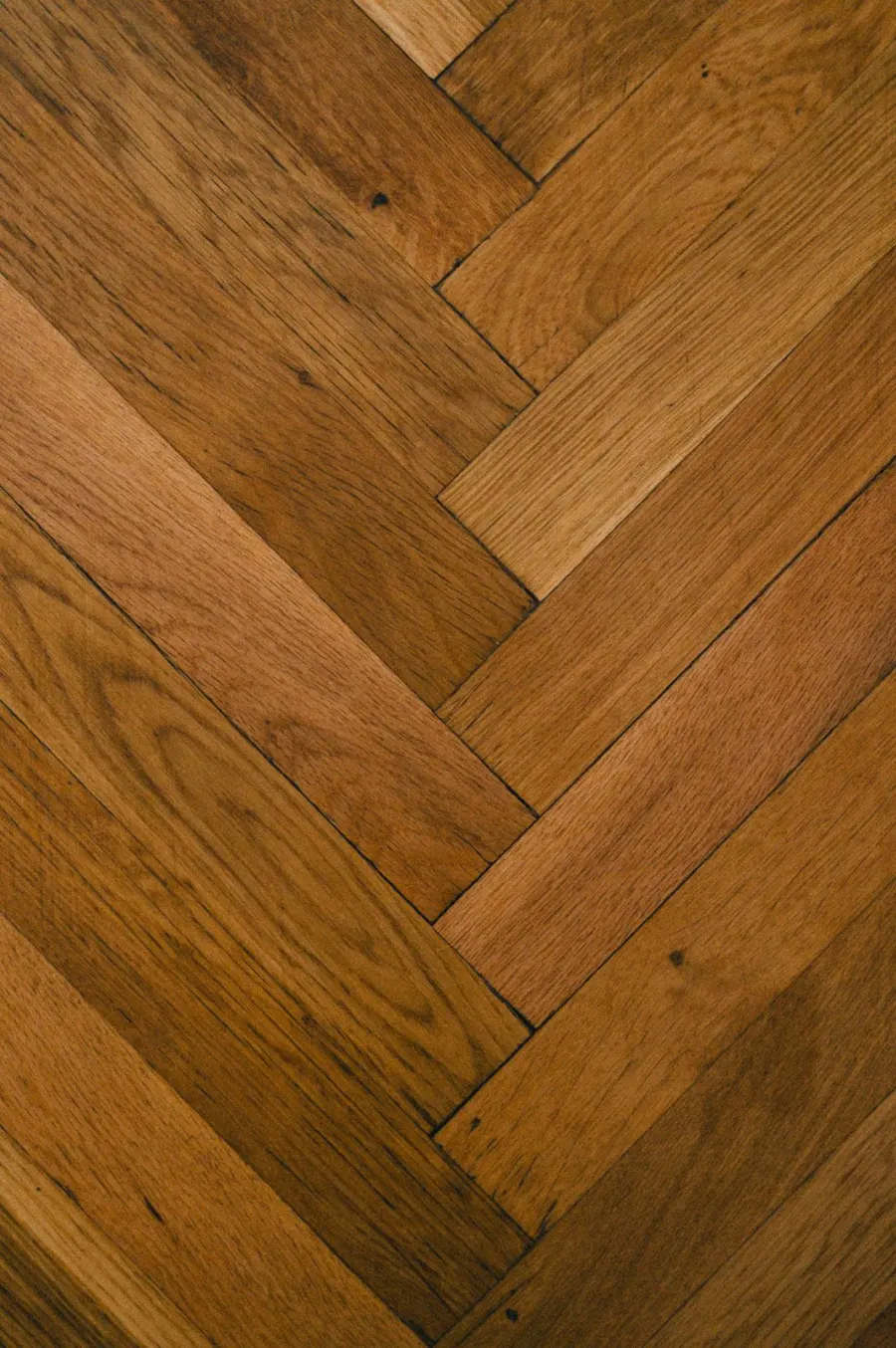
Flooring sets the tone of a room and takes the most wear of any surface, so choosing the right type for each space matters. Here is how the main options compare on cost, durability and where they work best.
What do the main options cost?
Between £15 and £120 per m² supplied and fitted, and the spread inside each material is mostly quality of wear layer and quality of fitting.
| Flooring | Supplied and fitted, per m² | Best for | Notes |
|---|---|---|---|
| Laminate | £15 to £40 | Budget projects, bedrooms, rentals | Cannot be refinished. Swells if water sits on a joint |
| LVT, luxury vinyl | £40 to £90 | Kitchens, hallways, family rooms | Warm and quiet underfoot, water resistant. Glue-down needs a flat, dry base |
| Engineered wood | £40 to £90 | Living spaces, open-plan, bedrooms | Real wood wear layer on a stable core. Sandable once or twice if the wear layer is 3mm or more |
| Porcelain or ceramic tile | £50 to £120 | Kitchens, bathrooms, wet areas, hallways | The most durable option and the best conductor for underfloor heating |
| Solid wood | £60 to £140, indicative | Period living rooms and bedrooms | Sandable many times. Moves with humidity, so not for wet rooms or heated floors |
| Natural stone | £70 to £150, indicative | Hallways, kitchens, garden rooms | Heavy, so check the floor structure. Most types need sealing |
What is under your floor?
This decides more than the finish does, and in London it is usually one of two things. Most pre-1919 houses have a suspended timber ground floor: boards on joists over a ventilated void. Original boards move, cup and open up, so LVT and tile both need overboarding first, typically 6mm ply screwed at close centres for vinyl, or a cement backer board or decoupling membrane for tile. Skip that step and the grout cracks along the joist lines within a year, which is the most common flooring failure we get called to.
The second is a concrete slab, usually in an extension, a flat or a rear addition. Slabs must be dry before anything moisture-sensitive goes down, and a new screed takes far longer to dry than people expect. They also need levelling, because a 3mm dip under a large-format tile becomes a rocking tile. On timber floors, check the airbricks are clear before you close anything up: a sealed void is how joist ends rot, as our guide to damp causes and fixes explains.
Engineered or solid wood?
Engineered, in almost every case. Engineered board is a real wood wear layer bonded to a cross-laminated core, so it expands and contracts far less with humidity. That makes it stable over underfloor heating, over a concrete slab, and in an open-plan space with big glazed doors where the temperature swings.
The number that matters is the wear layer. Below 2mm you cannot sand it and you are buying a laminate with a veneer. At 3mm you get one sand, at 4mm to 6mm you get two or three, which is a 30-year floor. Wide boards look better in a period reception room and move more, so wide plus solid plus heating is the combination that fails. Whichever you buy, let it acclimatise in the room for at least a week and leave a proper expansion gap at every perimeter. Solid wood still earns its place in a period house with no underfloor heating, where it can be refinished more or less indefinitely.
Kitchens, bathrooms and wet areas
Tile, stone or LVT, and nothing else. For kitchens, bathrooms and utility rooms, the floor has to survive standing water, a dropped pan and a dishwasher leak nobody notices for a fortnight. Tile and stone do all three and conduct underfloor heat better than anything else. LVT is warmer and quieter underfoot and more forgiving on dropped glassware, which is why it wins in busy family kitchens.
In a shower area or wet room, the tile is the least important part. The tanking underneath keeps water out of the structure, and it needs to be a proper system taken up the walls and dressed into the falls. Laminate and solid wood do not belong in any of these rooms at any price.
Which floors work with underfloor heating?
Anything with a low thermal resistance, which means keeping the total floor covering under about 2.5 tog including underlay. Tile and stone perform best because they conduct heat rather than insulate against it: a tiled floor emits around 71 W/m² where carpet manages about 48 W/m² from the same system. Engineered wood is fine if the manufacturer rates it for underfloor heating and you observe their maximum surface temperature, usually 27°C. LVT works with a stable base and a rated adhesive. Solid wood and thick carpet are the two to avoid.
Sources: Underfloor Heating Systems Ltd and The Floor Heating Warehouse UK price and specification guides, 2026. See our underfloor heating cost guide for system prices.How to choose
If you want one answer: engineered wood through the living spaces and hallway, porcelain tile in kitchens, bathrooms and utility. That combination handles London stock, works with underfloor heating, survives family use and does not date. Spend the difference on a thicker wear layer and a better fitter rather than on a more expensive material, because fitting failures cause almost all flooring complaints and the material rarely does.
Two rules override everything else. Water resistance beats appearance in any room with a tap in it. And the subfloor gets sorted first, whatever it costs, because no floor covering survives a base that moves. To specify the right flooring through a whole-house renovation in London, contact us or call 07472 424 226. If you are working on a period house, see renovating a Victorian terrace first.