Key Takeaways
- Repainting a whole three-bed London house costs £3,000 to £5,500 and is the highest-return money you can spend (WhatToCharge and Bark, 2026).
- A bathroom suite swap into existing tiling is £2,500 to £4,500, against £7,500 to £15,000 for a full refurbishment.
- Loft insulation from around £650 on a terrace saves £250 to £445 a year and lifts the EPC a buyer now reads before viewing.
- Better lighting and storage make a home feel larger, and both are cheap to plan and expensive to retrofit.
- Fixing visible defects is the best-value spend of all. Buyers discount for them by far more than they cost to put right.
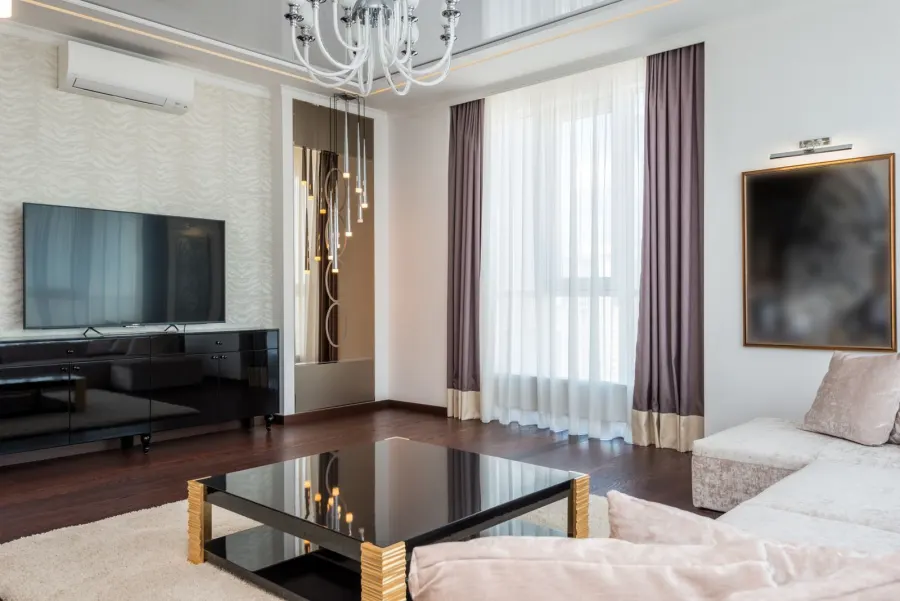
The cheapest ways to add value to a London home are fresh neutral decoration, refreshing rather than replacing the kitchen and bathroom, better lighting and storage, loft insulation, kerb appeal and fixing every visible defect. All of it fits inside £5,000 on a typical three-bed. Here is what each one costs at London rates in 2026, and what it does for you.
Does painting really add value?
Yes, and it is the most reliable pound-for-pound improvement there is. A clean, bright, well-painted home reads as cared for, and buyers discount visibly tired decoration by far more than it costs to put right. In London a whole three-bed repaint runs £3,000 to £5,500 over two to three weeks, and the hall, stairs and landing alone is £600 to £1,200, which is the single space every viewer walks into first.
Choose neutral tones, and pay for preparation rather than expensive paint. Most of a good job is invisible: filling, sanding, caulking and priming. A decorator quoting well below everyone else is pricing fewer days of prep, not less profit. See painting and decorating costs in London.
Can you update a kitchen without replacing it?
Yes, and where the carcasses are sound it is the smartest money in the house. New cabinet doors and handles, a new worktop or splashback, fresh paint, an updated tap and better lighting change the room completely, at a fraction of the £18,000 to £60,000 a full London kitchen renovation costs.
The same logic applies to bathrooms. Swapping the suite into existing tiling is £2,500 to £4,500, against £7,500 to £15,000 for a full bathroom refurbishment. If the tiling is sound, regrouting and resealing plus new brassware costs a fraction again.
What can you do for under £5,000?
More than most people expect. The table below is at London rates, and almost every line pays back either in the offer or in the speed of the sale.
| Improvement | Typical London cost | What it does |
|---|---|---|
| Repaint a whole three-bed house | £3,000 to £5,500 | Two to three weeks, the highest-return single spend |
| Repaint hall, stairs and landing | £600 to £1,200 | The first space a viewer sees |
| Repaint one double bedroom, woodwork included | £400 to £650 | 1.5 to 2.5 days |
| Kitchen refresh: doors, handles, worktop, tap, lighting | £1,500 to £4,000 (indicative) | Against £18,000 to £60,000 for a full kitchen |
| Bathroom suite swap into existing tiling | £2,500 to £4,500 | Against £7,500 to £15,000 for a full refit |
| Loft insulation, terraced house | From around £650 | Saves £250 to £445 a year, lifts the EPC |
| New spindles and handrail, supplied and fitted | £800 to £1,500 | Transforms a tired staircase |
| Repaint the staircase | £225 to £700 | Often done in the same visit |
| Fitted alcove shelving, carpenter | £250 to £350 per day | Two to three days a pair, plus materials |
How do light and storage make a home feel bigger?
By removing the two things that make a London room feel small: clutter and gloom. A layered lighting scheme with a dimmable circuit does more for a dark Victorian reception room than any amount of paint, and it is cheap while the room is being decorated because the cabling goes in before the plaster. Built-in storage does the same for floor space: a pair of fitted alcove units takes a carpenter two to three days and clears the freestanding furniture that was eating the room.
Does a better EPC add value?
It increasingly does, because the EPC is published with the listing and buyers read it before booking a viewing. Take the cheap wins first. Topping a London loft up to the recommended 270mm costs from around £650 on a terrace and saves £250 to £445 a year, paying for itself in two to four years. Moving a home from EPC D to C costs roughly £1,000 to £2,000 where it is already close. See improving your EPC and loft insulation costs.
Sources: Checkatrade, HomeOwners Alliance and Energy Saving Trust, 2026; EPC Advisor and Nexus Energy Solutions, 2025.How do you improve kerb appeal cheaply?
Repaint the front door, clean the brickwork and windows, sort the path and planting, and replace the numbers, letterplate and handle. A decorator's day in London is £200 to £380, so the door and frame is under a day's work. In a period street, restoring original tiled paths and railings beats anything new. See kerb appeal improvements.
Then fix the defects: cracked tiles, dripping taps, tired sealant, sticking doors. Individually trivial, collectively they make a buyer wonder what else has been left undone, and that question costs more than the repairs would.
What is not worth doing on a budget?
Anything structural or bespoke, if the aim is a return. A full kitchen, a rewire, an extension or a loft conversion are the right calls for an owner staying put, but they do not recoup their cost in a quick sale, and nor does anything that pushes past your street's ceiling price. See which renovations add the most value and renovating to sell vs to live in.
GS Renovation handles refreshes and full projects alike. For home renovation in London, contact us or call 07472 424 226.